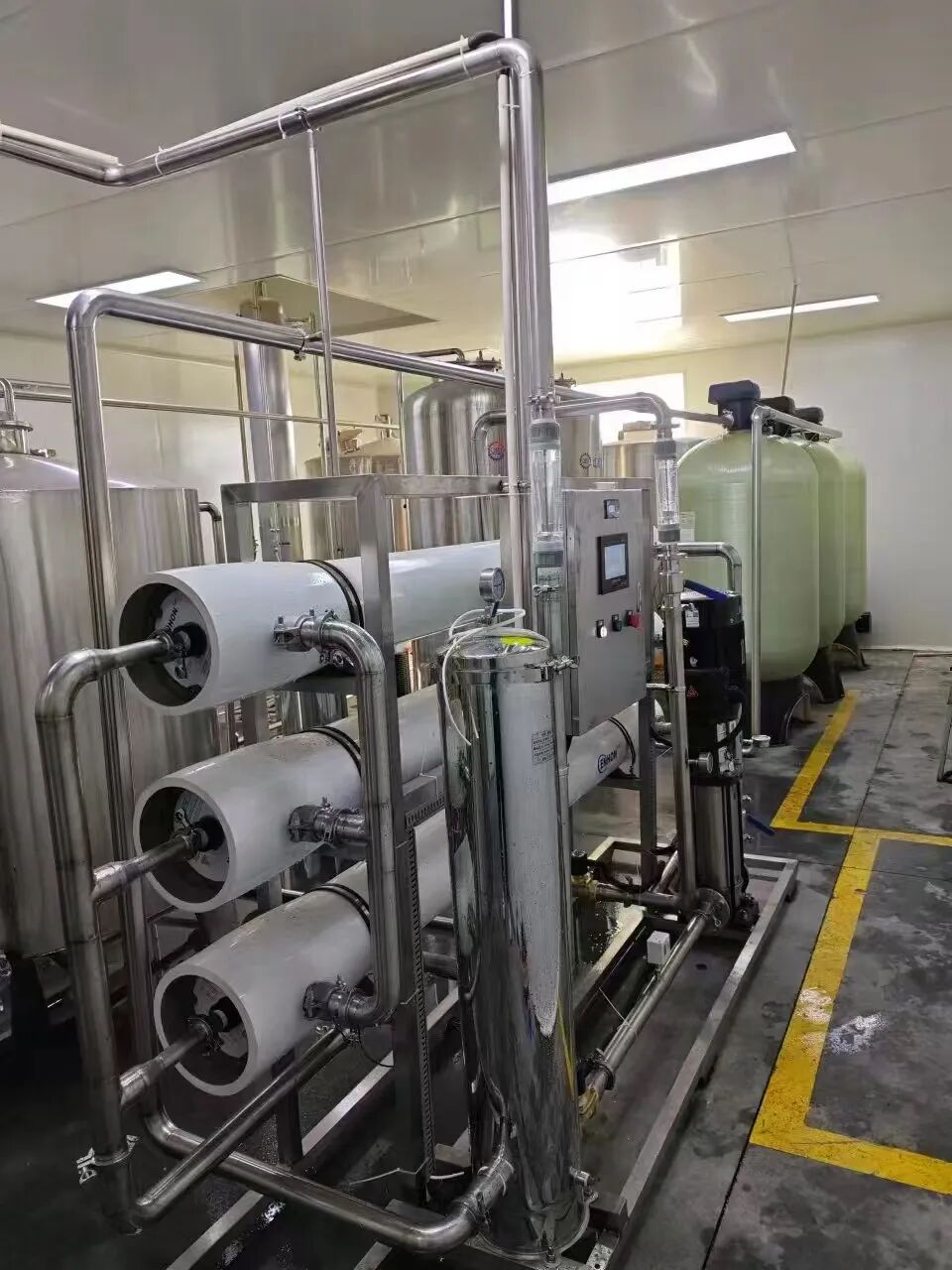
Stable operation of pure water equipment is the key to qualified water quality. Most equipment malfunctions, substandard water quality and unplanned shutdowns stem from inadequate daily maintenance. Implementing preventive maintenance—including routine inspections, regular servicing and timely replacement of spare parts—can effectively cut down unexpected failures, lower operation and maintenance costs, and extend the service life of the equipment. Below is a concise and actionable full maintenance plan for pure water equipment.
Ⅰ.Section 1 Daily Inspection: Monitor Key Parameters Closely
Carry out routine daily inspections and record core equipment data, including inlet water pressure, pump pressure, product water flow rate, and product water conductivity/resistivity.
Constantly compare readings against standard reference values. Promptly troubleshoot and resolve abnormalities such as sudden flow drop, sharp conductivity rise, and erratic pressure fluctuations. Retain historical data for trend analysis to eliminate potential risks in advance.
Ⅱ. Pretreatment System: Regular Replacement of Filter Media & Filter Cartridges
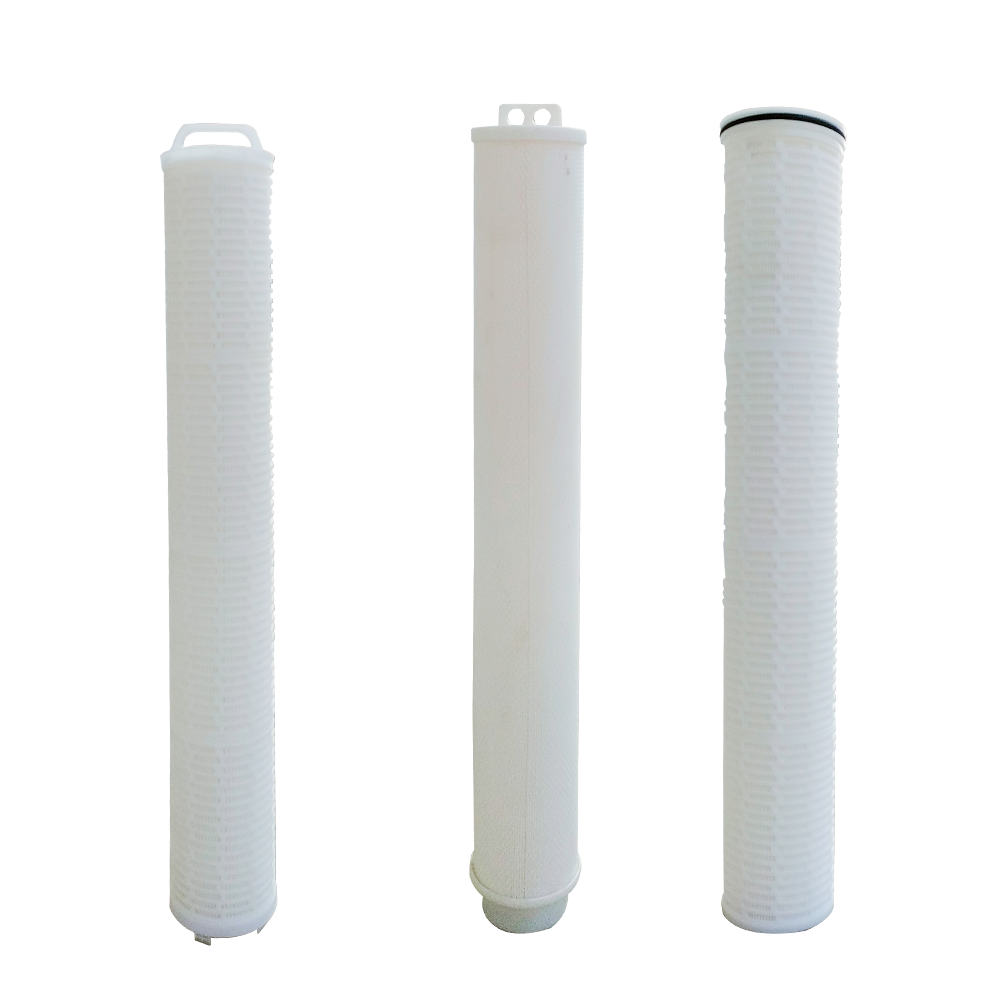
The pretreatment system serves as the first line of defense to protect the core reverse osmosis (RO) membranes. Consumables shall be replaced on schedule:
✅ Quartz sand filter media: Replace every 12–18 months
✅ Activated carbon filter media: Replace every 6–12 months
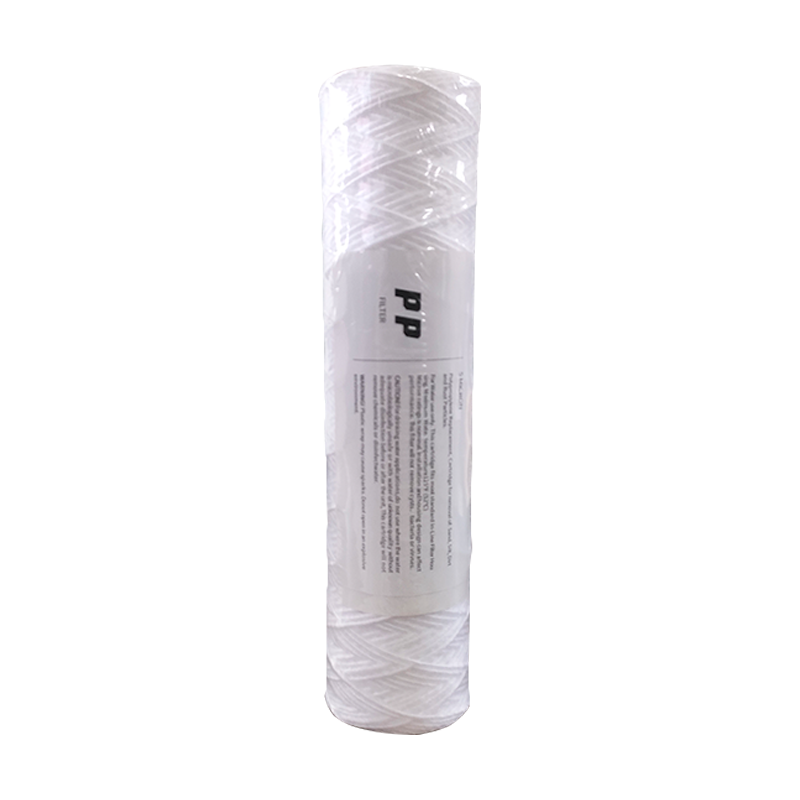
✅ 5μm PP precision filter cartridges: Replace every 1–3 months; replace immediately once pressure differential exceeds 0.1 MPa
All consumable replacement work must be performed with the equipment shut down. After replacement, conduct thorough flushing to expel trapped air, preventing impurities and carbon powder from flowing into downstream pipelines and contaminating membrane elements.
Ⅲ. Reverse Osmosis System: Focused Maintenance for Core Components
Reverse osmosis (RO) membranes are the core of pure water equipment. Daily monitoring of inlet and outlet water quality, as well as pressure and pressure differential of each stage is required.
Chemical cleaning shall be carried out immediately if any of the following conditions occur:
Normalized permeate flow drops by more than 10%;
Salt passage increases by more than 10%;
Inter-stage pressure differential rises by more than 15%.
Select special cleaning chemicals according to contamination types including scale, colloids and microorganisms, and complete the standardized procedures of cleaning, soaking and flushing.
The standard service life of RO membranes ranges from 2 to 5 years. Replace with new membranes in a timely manner if the performance fails to meet standards and operating energy consumption remains excessive after repeated cleanings.
Ⅳ. EDI System: Maintain Stable Operating Conditions & Conduct Regular Cleaning
The EDI system delivers deep water purification. Ensure its inlet water meets standard requirements and monitor the resistivity of produced water in real time.
Perform chemical cleaning every 3 to 6 months based on changes in equipment current, voltage and water quality to remove scale deposits and organic matter.
Overloaded or extreme operating conditions are strictly prohibited, which would cause irreversible damage to internal resins and membrane stacks.
Ⅴ. Microbial Control: Regular Disinfection to Prevent Substandard Water Quality
Water tanks and pipelines are prone to microbial growth, which constitutes a major hidden risk of unqualified water quality.
Conduct routine disinfection every 1 to 3 months, and shorten the interval appropriately in hot summer months.
Available disinfection methods include chemical flushing, circulating disinfection and pasteurization. After disinfection, thoroughly flush residual chemicals with pure water, and resume production only after verifying that water quality meets standards.
Ⅵ. Instrument Calibration: Ensure Accurate Monitoring Data
Calibrate instruments such as conductivity meters, pressure gauges and flow meters every 3 to 6 months in accordance with manufacturer standards via comparison and verification with standard solutions and reference instruments.
Clean sensor probes regularly and replace aged electrodes to prevent dirt and slime from impairing testing accuracy, so as to guarantee error-free judgment of equipment operating status.
Ⅶ. Machinery and Pump Units: Routine Inspection & Maintenance
Regularly inspect the operating status of high-pressure pumps and booster pumps to check for abnormal noise, vibration and water leakage. Replace lubricating oil periodically as specified in the operation manual to ensure good lubrication of components.
Tighten loose pipeline bolts and replace aging sealing rings to eliminate water leakage, dripping and mechanical failures.
Ⅷ. Electrical Safety: Moisture & Dust Prevention plus Periodic Verification
Keep the electric control cabinet dry and dust-free, and inspect wiring terminals to confirm no looseness or burn marks.
Conduct regular simulation tests on safety protection devices including high-pressure protection, low-pressure protection and water shortage protection, to ensure the devices can trigger interlock protection timely upon faults.
Record the total running hours of equipment to provide reference for formulating major overhaul plans.
Ⅸ. Spare Parts Management & Personnel Specifications: Consolidate the Foundation of Operation and Maintenance
Establish a spare parts inventory system. Maintain sufficient stock of wearing parts such as filter cartridges, sealing rings and fuses to reduce downtime caused by waiting for replacements.
Conduct traceability analysis on damaged components to optimize maintenance cycles.
Meanwhile, provide specialized training for operators, clarify standardized operating procedures, maintenance schedules and job responsibilities, so as to avoid maloperations and missed maintenance tasks.
Conclusion
The core principle of pure water equipment operation and maintenance is prevention first, combined with timely troubleshooting. Systematic preventive maintenance can not only sustain stable and qualified effluent water quality, but also drastically reduce failure rates and operating & maintenance costs, as well as maximize the service life of equipment. It is the key to long-term efficient operation of the equipment.