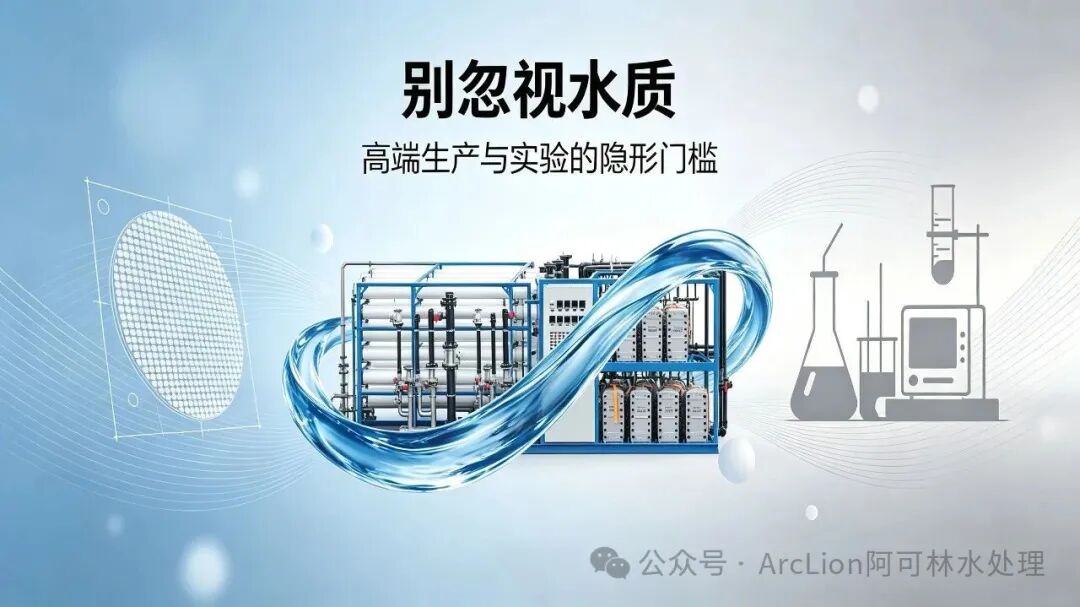
Boilers are core equipment for industrial heat supply and power generation. Water quality is a key factor affecting the safe, stable and economical operation of boilers. Natural raw water contains calcium and magnesium ions, dissolved oxygen, salts, impurities and other substances. Direct use without treatment will cause boiler scaling, corrosion, salt deposition and other problems, resulting in equipment failures and increased energy consumption. Therefore, installing supporting water treatment equipment and implementing proper boiler water quality control are core tasks of boiler operation and maintenance. This paper briefly introduces the objectives, core processes, work tasks and practical application value of boiler water treatment.
01 Core Purposes of Boiler Water Treatment
Boiler water treatment optimizes the boiler steam-water operating environment mainly through water purification and full-process supervision of steam and water quality. On the one hand, it effectively prevents scaling, corrosion and salt deposition in boilers and thermal systems, eliminates potential equipment safety hazards, and ensures stable operation of the units. On the other hand, it improves the heat exchange efficiency of boilers, reduces fuel consumption and equipment operation & maintenance costs, and realizes safe, energy-saving and economical operation of boilers.
02 Core Application Processes of Boiler Water Treatment
The boiler water treatment system consists of four core processes, covering the full workflow of make-up water, return water, deoxygenation and water quality conditioning:
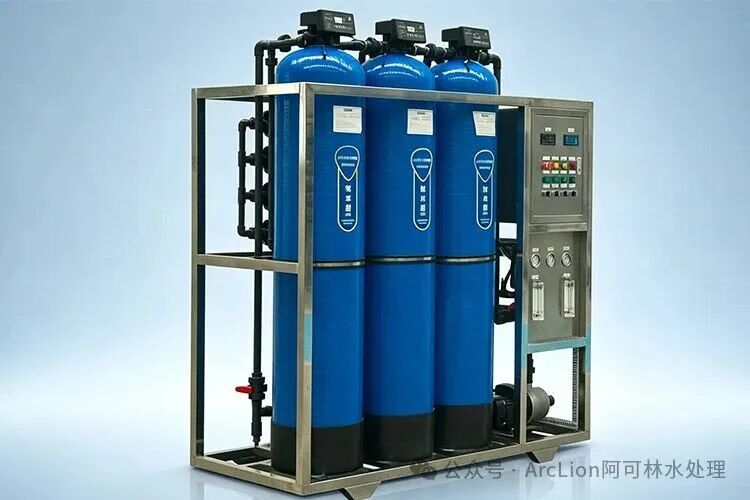
1. **Make-up water treatment**: Fresh raw water is replenished to compensate for water loss during boiler operation. Filtration, softening, desalination and other equipment are used to remove suspended solids, calcium-magnesium hardness, salts and other contaminants in water. It improves inlet water quality at the source and eliminates basic scaling risks, serving as a critical pre-stage of boiler water treatment.
2. **Condensate water treatment**: Purifies condensate return water recovered from turbine power generation and industrial production. The recovered condensate tends to be contaminated with metallic corrosion products and trace impurities. After treatment via precision filtration, resin purification and other processes, the water can be recycled to save water resources and operating costs.
3. **Feedwater deoxygenation**: Dissolved oxygen in water is the primary cause of equipment corrosion. Professional deaerators are adopted to remove dissolved oxygen from feedwater, preventing oxygen corrosion of thermal equipment such as economizers, water walls and pipelines, and slowing down equipment aging.
4. **Feedwater and boiler internal chemical treatment**: Ammonia is dosed into feedwater to adjust the pH value and inhibit acid corrosion. Special chemicals are added inside the boiler to convert trace hardness impurities into removable sludge, assisting boiler water purification and stabilizing water quality parameters.
03 Main Tasks of Boiler Water Treatment
First, continuously supply sufficient and qualified make-up water for boilers to meet the requirements of continuous equipment operation. Second, dynamically adjust chemical dosing and blowdown strategies according to boiler water quality to properly regulate the water quality inside the boiler. Third, monitor steam and water quality throughout the whole process, and conduct real-time detection of key indicators such as hardness, pH value, dissolved oxygen and salt content to ensure all steam-water parameters meet the specified standards.
04 Core Functions of Boiler Water Treatment
1. Prevent equipment scaling and reduce energy consumption: Scale has extremely poor thermal conductivity. When attached to boiler heating surfaces, it causes local overheating of metal, resulting in bulging, deformation and even bursting, which poses a great threat to equipment safety. Meanwhile, scale will greatly reduce heat exchange efficiency and increase fuel consumption. Proper water treatment can effectively prevent scaling and ensure efficient heat transfer and safe operation of boilers.
2. Eliminate equipment corrosion and extend service life: Substandard water quality leads to corrosion of boiler pipelines, economizers, superheaters, steam turbines and other equipment, shortening service life and raising maintenance costs. In addition, corrosion products will re-contaminate water quality and aggravate scaling, forming a vicious cycle of "corrosion + scaling". Water treatment can inhibit corrosion at the source and break this vicious cycle.
3. Avoid salt deposition in the system and stabilize unit operating conditions: Excessive salts in feedwater flow along with steam and deposit inside superheaters and steam turbines, causing salt deposition. In mild cases, it reduces equipment operating efficiency and unit output; in severe cases, it leads to overheating and bursting of pipe walls and unit shutdown. Accurate desalination processes in water treatment can effectively avoid salt deposition and guarantee stable equipment operation.
05 Conclusion
Water treatment equipment is an indispensable auxiliary facility of the boiler system, and full-process water quality control serves as the foundation for safe and energy-saving boiler operation. Systematic water treatment processes can effectively solve the three core problems of boiler scaling, corrosion and salt deposition. It can not only avoid safety risks in production, but also reduce equipment operation, maintenance and energy consumption costs, which is of great significance for the long-term, stable and low-carbon operation of industrial boilers.