Pure water equipment is widely applied in hospitals, laboratories, industrial production and other scenarios. Stable operation of the equipment is the foundation for qualified water quality and normal production work. To help frontline maintenance staff quickly locate and resolve issues, we have sorted out the five most frequent faults of pure water equipment today. The guide is easy to understand and can be used for immediate on-site inspection.
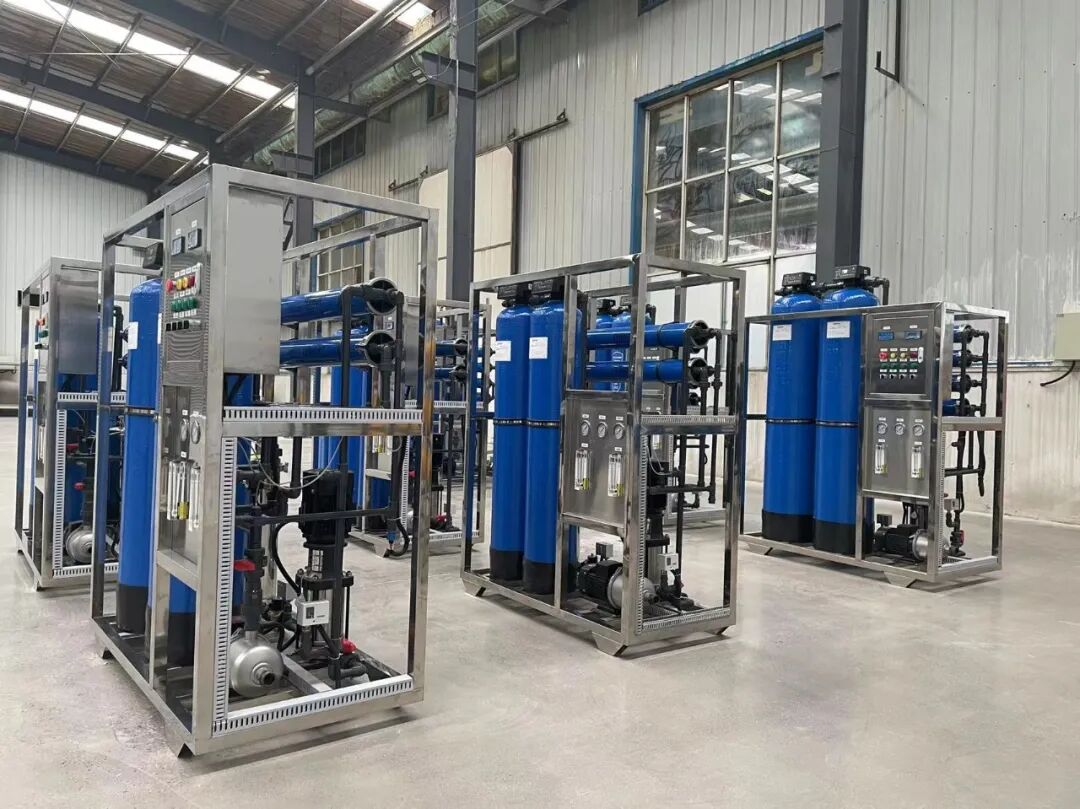
I. Equipment Fails to Start
Fault Phenomenon
No response after power-on; no water intake and no water production.
Quick Inspection & Solutions
✅ Check power supply, air switches and wiring; resolve tripped circuits, loose connections and power outages.
✅ Cut off power to inspect fuses. Replace blown fuses with identical specifications and check for short circuits.
✅ Test inlet water pressure, clear clogged pipelines and lift the low-pressure protection lockout of the equipment.
✅ If the control panel malfunctions, power off and restart for reset first; repair or replace the panel if the issue persists.
Maintenance Tip
When the equipment cannot start, prioritize checking the power supply and inlet water pressure. Do not disassemble the machine blindly.
II. Sharp Drop in Water Production Volume
Fault Phenomenon
The equipment runs normally without alarms, but the water output decreases significantly.
Quick Inspection & Solutions
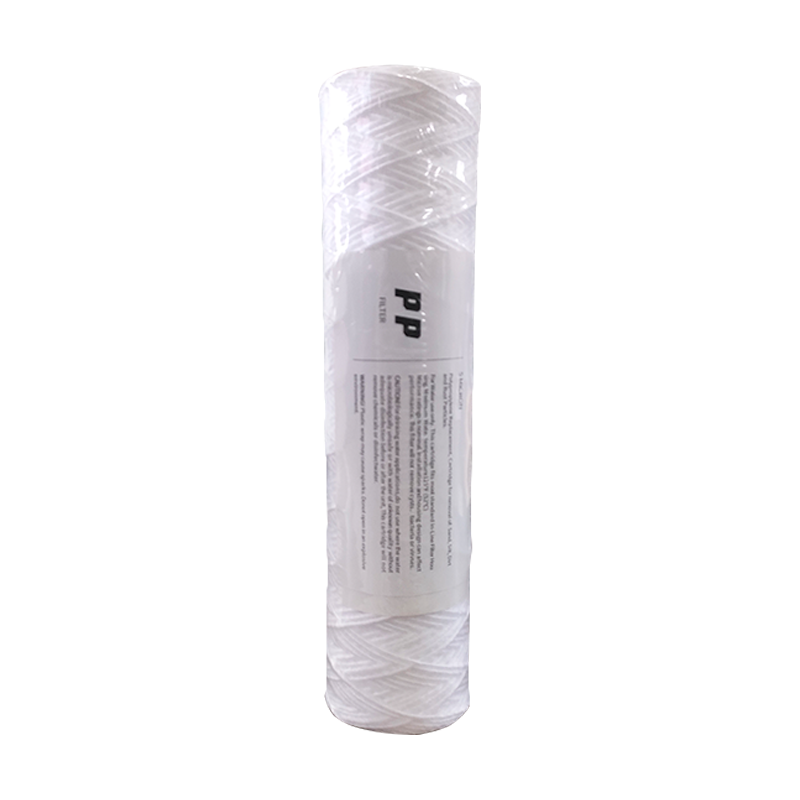
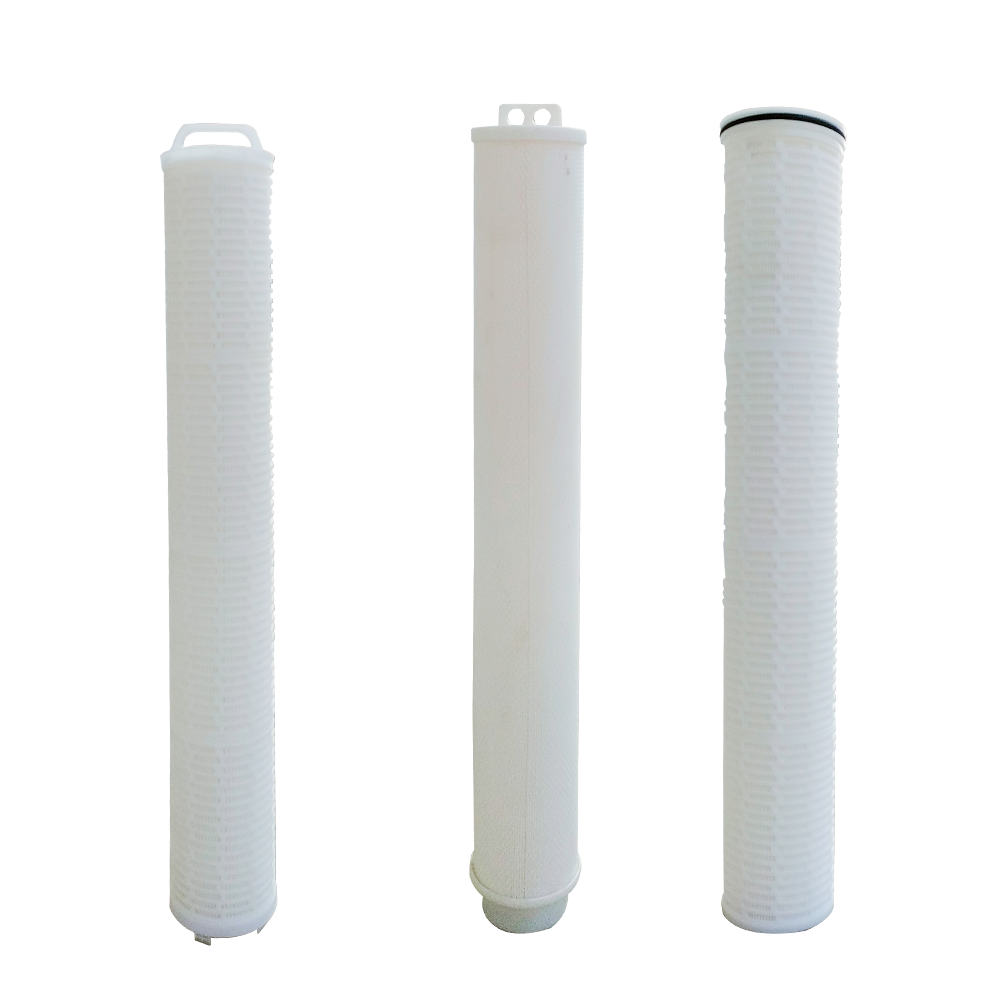
✅ Clogged pre-treatment filter cartridges: Replace PP cotton and pre-activated carbon filters every 3–6 months.
✅ Scaling or fouled RO membranes: Conduct chemical cleaning for mild fouling; replace membrane elements directly if severely aged.
✅ Insufficient pressure of high-pressure pump: Standard operating pressure ranges from 0.8 to 1.2 MPa. Repair promptly if the pressure is too low.
✅ Low inlet water temperature: Optimal water temperature is 25°C. Keep pipelines insulated and anti-freezing in winter.
III. Substandard Effluent Water Quality
Fault Phenomenon
Water production works normally, yet TDS/conductivity value is excessively high, failing water quality test.
Quick Inspection & Solutions
✅ Damaged or aging RO membrane: Replace directly to restore filtration precision.
✅ Water leakage caused by aging sealing rings: Replace all aged seals of membrane housing and pipelines to prevent raw water infiltration.
✅ Expired post-activated carbon: Replace in a timely manner to improve terminal effluent quality.
✅ Inaccurate instrument readings: Recalibrate conductivity meter and TDS meter to avoid false excessive readings.
IV. Frequent Start-Stop of Equipment
Fault Phenomenon
The unit cycles on and off repeatedly and cannot produce water continuously and steadily.
Quick Inspection & Solutions
✅ Damaged pressure tank bladder: Air leakage causes pressure loss and frequent cycling; replace the pressure tank entirely.
✅ Malfunctioning high-pressure switch: Parameter drift or failure; adjust settings or replace the high-pressure switch.
✅ Pipeline leakage: Fully inspect all joints, valves and pipes, then repair leaking points.
✅ Fluctuating inlet water pressure: Install a pressure stabilizer to maintain steady inlet pressure.
V. Abnormal & Excessive Operating Noise
Fault Phenomenon
Severe vibration, obvious strange noises and excessive noise level during equipment operation.
Quick Inspection & Solutions
✅ Faulty high-pressure pump: Worn bearings or aging pump body; replace bearings or the whole pump.
✅ Trapped air inside pipelines: Vent air from pipes to eliminate water hammer noise.
✅ Equipment resonance: Reinforce brackets, level the unit and fasten loose parts.
✅ Abnormal motor performance: Inspect motor operating conditions; maintain or replace aging faulty motors in a timely manner.
???? Core Daily Maintenance Checklist for Pure Water Equipment
Most malfunctions arise from inadequate maintenance. Proper routine upkeep can greatly reduce failure rates and extend equipment service life:
???? Filter Replacement: Replace pre-treatment filter cartridges every 3–6 months to guarantee unobstructed water inflow.
???? RO Membrane Maintenance: Perform chemical cleaning every 6–12 months; replace membrane elements as needed every 1–2 years.
???? Site Environment Management: Keep the equipment area dry, ventilated and clean.
???? Data Logging: Record pressure values, water quality indicators and operating status daily to identify potential hidden risks in advance.
???? Regular Inspection: Conduct a full quarterly check of pipelines, seals, meters and pump assemblies.
Closing Remarks
Most daily faults of pure water equipment are caused by worn consumables, abnormal pressure and pipeline leakage. Follow this priority order for routine inspections: filters → pressure conditions → pipelines → power supply.
Standardized daily maintenance can not only guarantee stable and compliant water quality, but also cut maintenance costs effectively, enabling long-term efficient operation of the equipment.