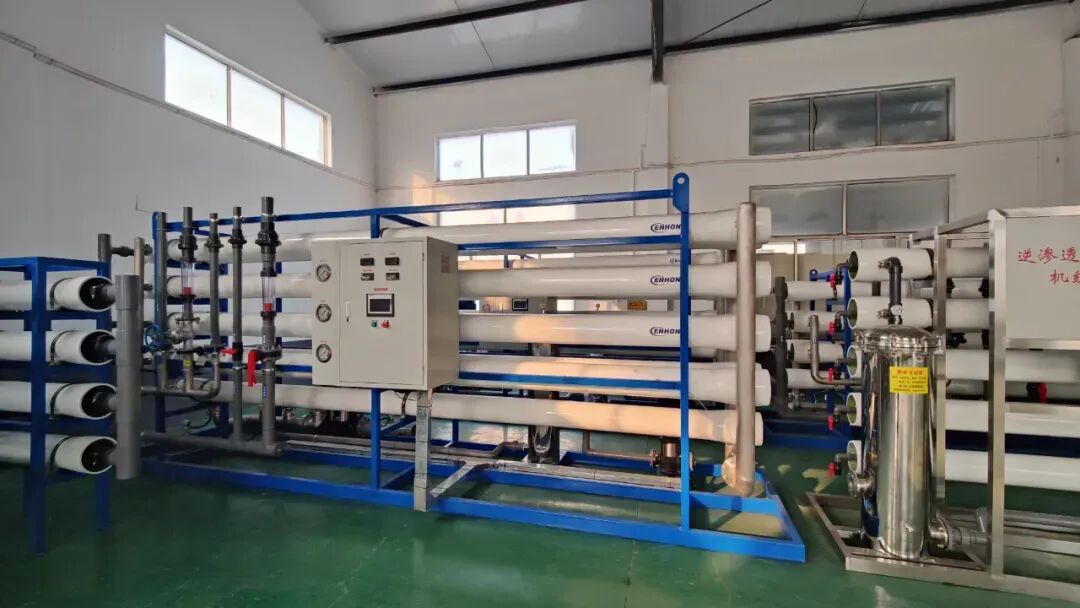
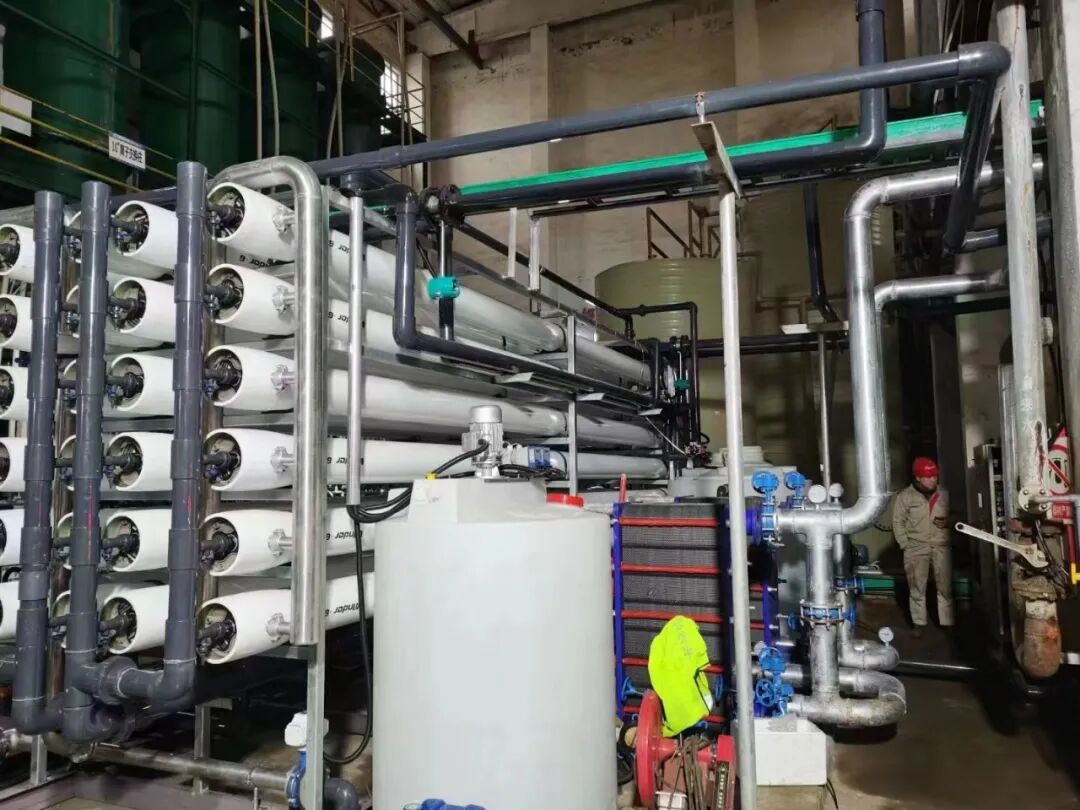
Reverse Osmosis (RO) serves as the core process unit in purified water,
drinking water and industrial water treatment systems. Standardized operation,
troubleshooting and periodic maintenance directly determine equipment service life and product water quality.
This document summarizes frequent industry issues and practical operational standards.
I. Core Operating Parameters
1. Criteria for RO Membrane Cleaning
Routine early warning: Inspect for fouling when normalized flux or salt rejection drops by 10%~15%, or interstage differential pressure rises by 10%~15%.
Mandatory chemical cleaning: Carry out cleaning if permeate flow decreases by 5%~10%, salt rejection reduces by 2.5%~5%, or interstage differential pressure reaches 1 to 2 times its initial value.
Cleaning frequency depends on feed water SDI₁₅: around 4 cleanings per year at SDI₁₅<3; the frequency doubles when SDI₁₅ approaches 5, subject to actual on-site water quality.
2. Silt Density Index (SDI₁₅)
SDI₁₅ measures colloidal and particulate fouling of feed water; RO feed water is required to have SDI₁₅≤5.
Surface water shall be tested 2~3 times per day; regular monitoring is also needed for groundwater and reclaimed water. Multimedia filters, ultrafiltration (UF) and microfiltration (MF) help lower SDI.
SDI only reflects particulate & colloidal contamination and cannot identify microbial or organic fouling.
3. Silica Limit
Maximum allowable silica on concentrate side: 100 ppm without antiscalant; up to 240 ppm with special antiscalant, subject to chemical supplier specifications.
4. Effect of pH Value
Standard polyamide RO membranes withstand pH 2~11 with little risk of membrane damage. Ionic forms change with pH and affect desalination performance.
Due to aqueous carbon dioxide equilibrium, permeate pH is generally 1~2 lower than feed water pH. Adjusting permeate pH to 7.5~8 improves salt removal; avoid over-dosing alkali to prevent scaling.
II. Basics of Process and Membrane Technology
1. Comparison between RO and Ion Exchange
RO delivers better economic benefits at high feed water salinity, while ion exchange is more cost-effective under low-salinity conditions. A combined process of RO plus ion exchange is widely adopted in current industry applications.
2. Differences among Mainstream Membrane Processes
Reverse Osmosis (RO): High filtration precision; salt rejection 95%~99%, bacteria & virus removal efficiency over 99.9%, mainly applied for high-purity water production.
Nanofiltration (NF): Low-pressure membrane between RO and UF, excellent hardness removal with low energy consumption, suitable for well water and surface water softening.
Ultrafiltration (UF)/Microfiltration (MF): Retain colloids, suspended solids, macromolecular organics and bacteria, yet incapable of removing dissolved salts, generally used as upstream pretreatment.
3. Service Life of Membrane Elements
With qualified pretreatment, standardized operation and routine maintenance, the normal service life of RO membrane elements can exceed 5 years.
III. Specifications for Startup, Shutdown and Fitting Installation
1. Static Storage Requirements During Shutdown
With antiscalant in service: Maximum static standby = 4 h at water temperature 20~38℃; 8 h when water temperature <20℃.
Without antiscalant: Maximum static standby = 1 day.
If downtime exceeds specified limits, fill with special preservation solution or perform periodic circulating flushing to inhibit microbial reproduction and membrane scaling.
2. Startup & Shutdown Procedures
Frequent on-off cycling is discouraged.
Startup: Vent pipeline air at low pressure of 0.2~0.4MPa (preferably ≤0.2MPa). Ramp up pressure gradually after full air removal to prevent water hammer damage to membrane elements.
Shutdown: Cut off all chemical dosing, step down pressure to 0.2~0.4MPa, then flush with qualified permeate under low pressure for 10 min until concentrate TDS approximates raw water TDS.
Do not flush membrane elements with chemically dosed water.
3. Installation & Application of O-rings
The brine seal of membrane element is mounted at the feed end with its opening facing the inflow direction to bypass leakage.
Petroleum-based lubricants such as petrolatum and mineral oil are prohibited; they cause rubber swelling, aging and membrane contamination. Clean water or glycerin is recommended for lubrication.
IV. Feed Water Pretreatment and Water Quality Requirements
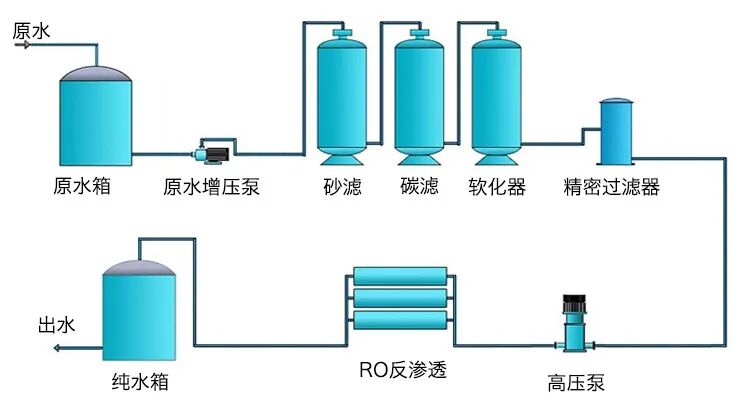
Complete pretreatment sequence: Coarse filtration → Oxidant dosing → Fine filtration → Residual chlorine reduction → Cartridge filter (security filtration).
Feed water to RO system must be free of suspended solids, colloids, oil & grease, algae, free chlorine, metal oxides and other contaminants.
Hexavalent chromium is a strong oxidizer that causes irreversible damage to RO membranes; it shall be reduced to trivalent chromium during pretreatment.
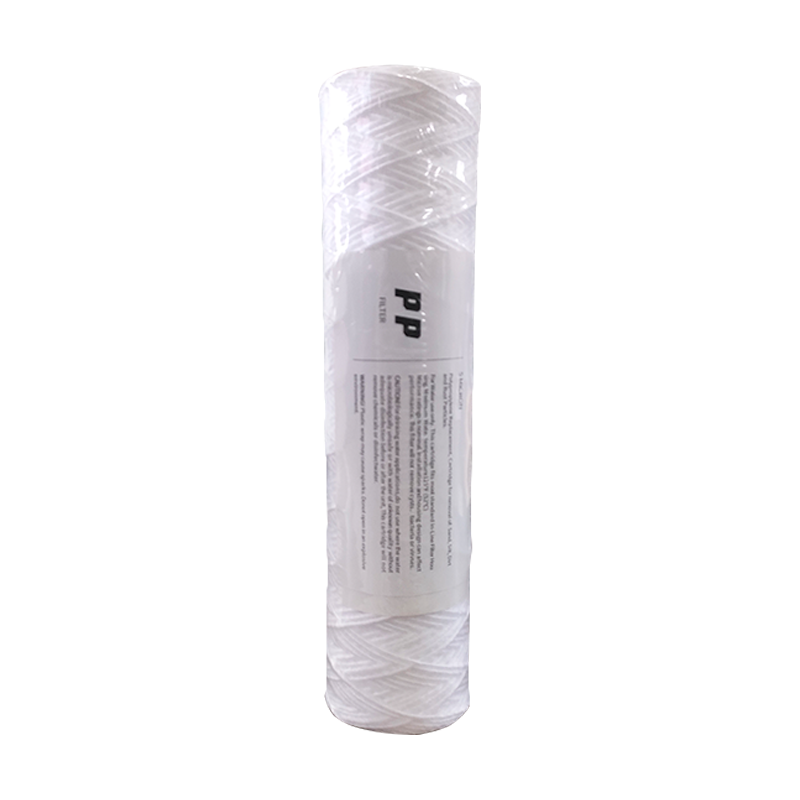
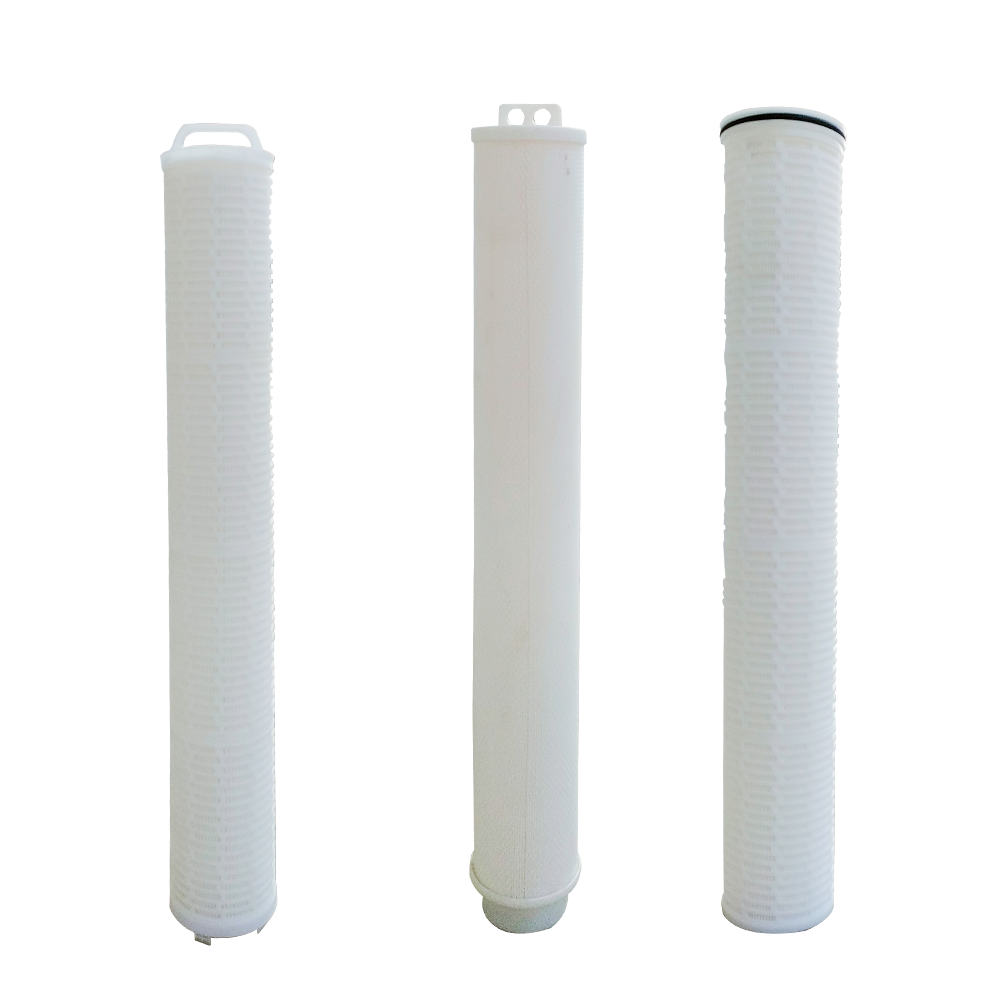
The security filter serves as final safeguard. Replace filter cartridges promptly when differential pressure across the filter exceeds 0.03 MPa.
V. Common Troubleshooting & Solutions
1. Continuous decline of permeate flow
Main causes: clogged filter cartridges, failed pretreatment or fouled membrane elements.
Solutions: backwash pretreatment units regularly, replace cartridges and clean membranes. Install an antiscalant dosing system if raw water quality deteriorates.
2. High-pressure pump abnormal noise, no water suction or startup failure
Air trapped inside pump: open vent valve to fill water and bleed air.
380V pump reverse rotation: swap any two power wires.
Pump fails to start: check wiring and relays; if low-water protection is triggered, replenish raw water and restart after protection reset.
3. Pipeline rupture
Usually caused by severe clogging of cartridges or membranes leading to abrupt pressure surge. Replace cartridges and clean membranes first; add antiscalant at front end for raw water with excessive impurities.
4. Suspended particles in water
Resulting from microbial proliferation inside pipelines. Recirculate alkaline detergent for pipeline cleaning and equip continuous pipeline sterilization devices.
5. Membrane fouling classification & cleaning
Inorganic scaling: use acidic cleaning agent.
Organic & microbial fouling: use alkaline cleaning agent.
Wear proper PPE during chemical cleaning and dispose of waste cleaning liquid per regulations.
VI. Equipment Maintenance, Storage and Auxiliary Equipment Requirements
1. Daily Operation & Disinfection
Polyamide membranes feature poor chlorine resistance. Residual chlorine shall be monitored continuously with stable reducing agent dosing maintained.
For intermittently operated or long-term idle systems, regular disinfection is required to prevent microbial fouling.
2. Membrane Element Storage
Factory-sealed membrane elements can be stored for up to one year after being immersed in dedicated preservation solution. Unsealed elements are recommended for prompt commissioning.
For short-term shutdown preservation, use 1% food-grade sodium bisulfite solution; fully vent pipeline air and close all valves during operation.
Formaldehyde is prohibited as preservative for drinking water, pharmaceutical purified water and food-grade water systems.
3. Installation Specifications for Auxiliary Equipment
Water softening equipment:
Install close to drainage outlets with reserved maintenance space; keep a minimum clearance of 3 meters from boilers to avoid equipment damage caused by hot water backflow. Ambient temperature to be controlled between 1℃ and 49℃; clean brine tanks annually to guarantee smooth brine suction.
Ultrapure water equipment:
Mount indoors on flat, clean ground near water and power supply, away from open flames and heat sources. Outdoor installation is forbidden in northern regions to prevent freezing damage; ensure unobstructed drain piping.
VII. Operation & Maintenance Summary
The operating performance of water treatment systems relies on routine operation and maintenance management.
Strictly control feed water quality, comply with startup/shutdown and operational specifications, and conduct regular cleaning and maintenance. These practices help reduce breakdowns and extend the service life of equipment and spare parts.