In water treatment systems,
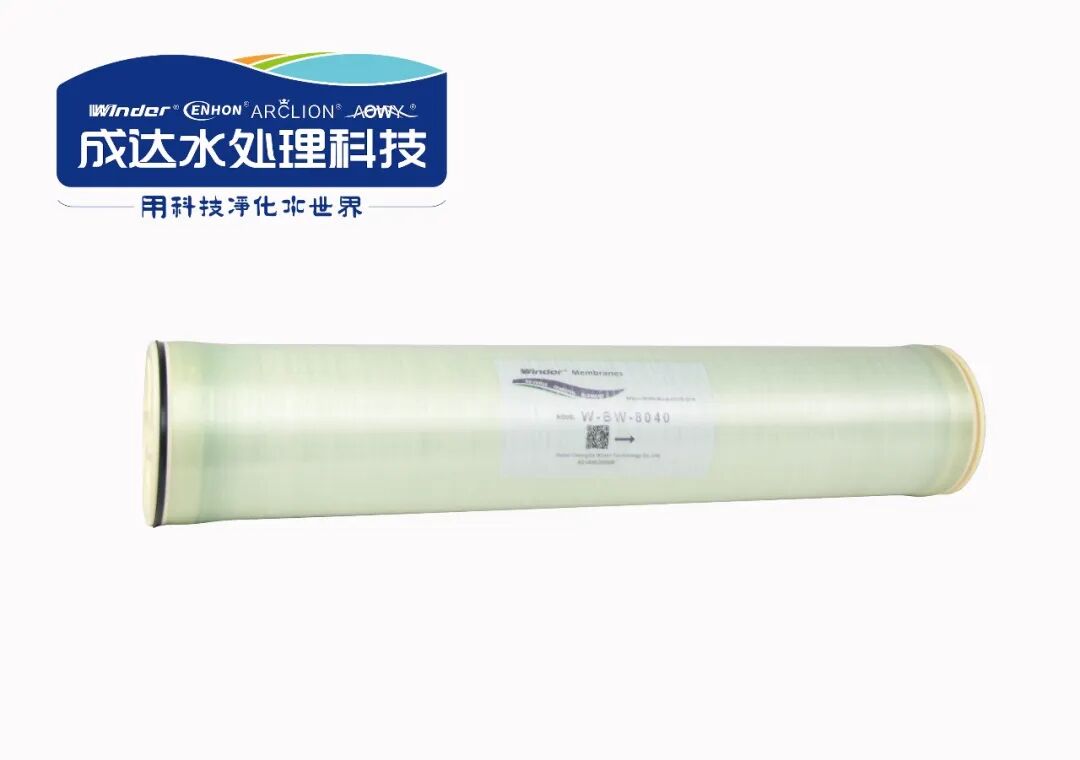
the 8040 reverse osmosis membrane serves as a core component by virtue of its excellent filtration efficiency and operational stability.
As a precision filtration element, however,
its performance and service life are highly dependent on scientific daily maintenance.
Improper operation or neglected upkeep will easily lead to performance degradation and damage of the membrane,
increasing the operation and maintenance cost of the system.
This article focuses on the key points of daily maintenance for 8040 reverse osmosis membranes,
as well as the handling methods for membrane elements during equipment shutdown.
I. Hazards of Membrane Element Drying After Equipment Shutdown
Membrane drying refers to the state where reverse osmosis membrane elements lose moisture and become completely dry.
This condition directly causes shrinkage of membrane pores and irreversible changes to the internal structure,
further resulting in core performance degradation such as decreased membrane flux and reduced salt rejection rate.
In severe cases, it may lead to permanent physical and chemical damage to membrane elements,
greatly shortening their service life and increasing the cost of membrane replacement for the system.
II. Core Key Points of Daily Maintenance (Prevention First)
1. Keep Membrane Elements Continuously Moist
During the shutdown of the reverse osmosis system,
ensure the membrane elements are always kept in a moist environment. Two methods are available:
First, retain an appropriate amount of pure water inside the system to maintain the moisture state of membrane elements;
Second, start the low-pressure flushing procedure regularly to replenish moisture.
If the system is scheduled for long-term shutdown,
it is recommended to protect the membrane elements with special moisturizers to further avoid damage caused by drying.
2. Standardize Start-Stop Operating Procedures
Arrange the production schedule reasonably to minimize frequent start and stop of the system,
and reduce the loss of membrane elements caused by pressure fluctuation and water flow impact.
Meanwhile, strictly follow standard operating procedures when starting and shutting down the system,
adjust pressure and flow gradually, and avoid impact damage to membrane elements caused by sudden changes in pressure and flow.
3. Strictly Control Feed Water Quality
Feed water quality is a key factor affecting the performance of 8040 reverse osmosis membranes.
Regularly test various feed water indicators to ensure the water quality complies with the application standards of membrane elements.
If the feed water contains high-concentration insoluble salts,
organic matter or microorganisms, adopt targeted pretreatment measures in advance to reduce erosion of membrane elements caused by pollutant adhesion and scaling,
and lower the risk of membrane contamination.
4. Conduct Comprehensive Maintenance Regularly
Perform regular physical flushing and chemical cleaning on the reverse osmosis system to timely remove pollutants and scale attached to the membrane surface,
so as to restore the flux and salt rejection rate of membrane elements.
In addition, inspect the operating status of membrane elements periodically,
and replace aged or damaged membrane elements in a timely manner to ensure stable system operation and extend the overall service life of the membranes.