The core purpose of reverse osmosis pretreatment is to make the feed water meet three standards: cleanliness, stable water quality and zero oxidizing substances. It sets up layered barriers against the five major causes of membrane fouling and damage, namely suspended solids and colloids, microorganisms, inorganic salt scaling, organic contaminants, and oxidizing substances.
I. Physical Interception for Control of Particulate and Colloidal Fouling
Reverse osmosis membranes feature narrow flow channels, which are prone to clogging by suspended solids and colloids. Hard particles may also scratch the membrane surface.
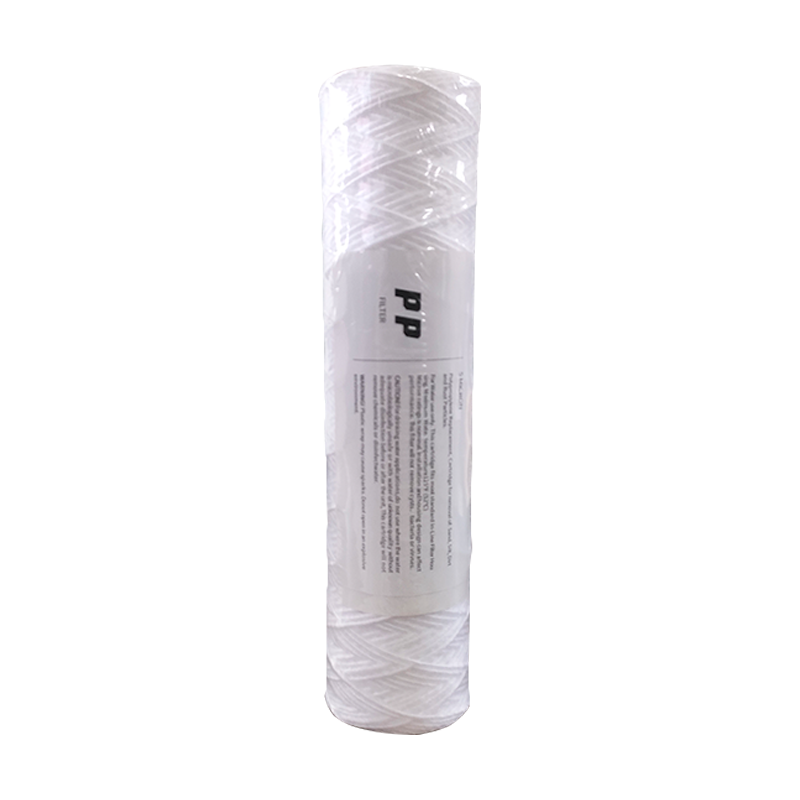
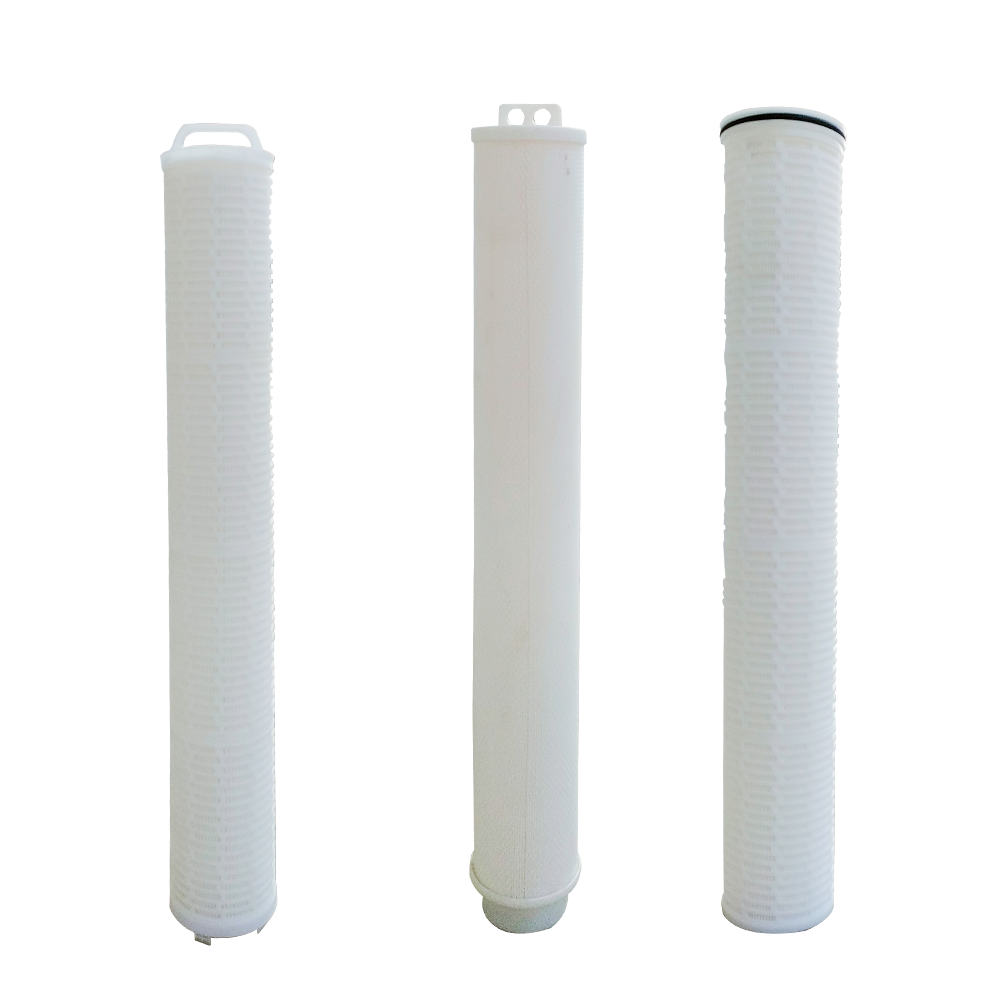
Multi-media filters are commonly used to trap large particles, combined with ultrafiltration to remove fine colloids and suspended solids. A 5 μm cartridge filter is installed upstream of the high-pressure pump as the final physical barrier.
The core evaluation indicator is SDI₁₅ (15-minute Silt Density Index). The general standard for conventional systems is ≤5, while ≤3 is recommended for long-term stable operation. Seawater reverse osmosis systems normally require SDI₁₅ ≤3.
II. Chemical Scale Inhibition to Restrain Inorganic Salt Crystallization
Calcium, magnesium, barium, strontium ions and silica in feed water tend to crystallize and form scale after concentration on the concentrate side.
Note: The Langelier Saturation Index (LSI) only assesses calcium carbonate scaling risk and cannot reflect the scaling tendency of barium sulfate, strontium sulfate or silica.
Two mainstream treatment processes are adopted:
Sodium ion exchange softening: It removes calcium and magnesium hardness to reduce calcium carbonate scaling risk, suitable for raw water with high hardness. However, it cannot eliminate silica, barium or strontium. Scale inhibitors shall be dosed additionally for water sources with high silica or high barium content.
Dosing of RO-specific scale inhibitors: Crystal lattice distortion and particle dispersion effects restrain crystal growth and deposition on membrane surfaces.
For semiconductor ultrapure water systems, high-purity phosphorus-free/low-phosphorus scale inhibitors with ultra-low TOC leaching are preferred to avoid introducing new contaminants.
III. Microorganism Control for Biofouling Prevention
Microbial contamination poses a major control challenge. Biofilms reduce the effective membrane area, resulting in permeate flow decline and increased inter-stage differential pressure.
The mainstream control strategy consists of pre-oxidation disinfection followed by thorough oxidant removal: Sodium hypochlorite is dosed at the raw water inlet to kill bacteria and inhibit algae growth. Most free chlorine is then eliminated via activated carbon filters, which rely mainly on catalytic reduction with minimal physical adsorption. Sodium bisulfite is injected downstream of the activated carbon filter and upstream of the cartridge filter to fully reduce residual trace chlorine.
Notes: Sodium bisulfite can easily accelerate microbial reproduction. Pipelines and filters between the activated carbon unit and reverse osmosis membranes carry biological risks. The combination of activated carbon and sodium bisulfite is standard for semiconductor ultrapure water systems. UV sterilization can be added as auxiliary bacteria control under certain working conditions.
IV. Removal of Oxidizing Substances to Prevent Irreversible Membrane Damage
Polyamide reverse osmosis membranes are extremely sensitive to oxidants. Trace amounts of free chlorine can cause irreversible damage to the membrane skin layer and permanent reduction in salt rejection rate.
The pretreatment process must balance the conflict between chlorine disinfection and zero free chlorine in feed water. The control standard specifies that residual free chlorine in feed water shall be less than 0.05 mg/L (non-detectable is optimal). A concentration of 0.1 mg/L is only the temporary emergency upper limit; long-term operation under this condition carries risks of membrane oxidation.
V. Stable Temperature Control: An Easily Overlooked Critical Condition
25°C is set as the standard operating temperature. For every 1°C drop in water temperature, the permeate flow rate decreases by 2.0%~2.5%. Meanwhile, water temperature affects the solubility of inorganic salts, reaction efficiency of chemicals and microbial activity.
In engineering practice, heat exchangers are installed at the front end of the pretreatment system to stabilize the feed water temperature at approximately 25°C. This ensures stable water production and consistent operating conditions, and lowers the risk of fluctuating fouling levels.
In summary, a complete pretreatment system collaboratively controls pollutants through four core modules: physical filtration, chemical scale inhibition, disinfection and dechlorination, and constant temperature regulation. It helps cut operation and maintenance costs, reduce the frequency of membrane cleaning, slow down membrane aging and replacement, and minimize the total life cycle cost of the water treatment system.