In the water softening process,
verification of the total hardness of inlet water is an easily overlooked yet critical step.
It serves as the basis for resin selection, regeneration cycle setting and chemical dosage calculation,
and directly determines the quality of effluent water,
as well as the operational stability and cost efficiency of the equipment.
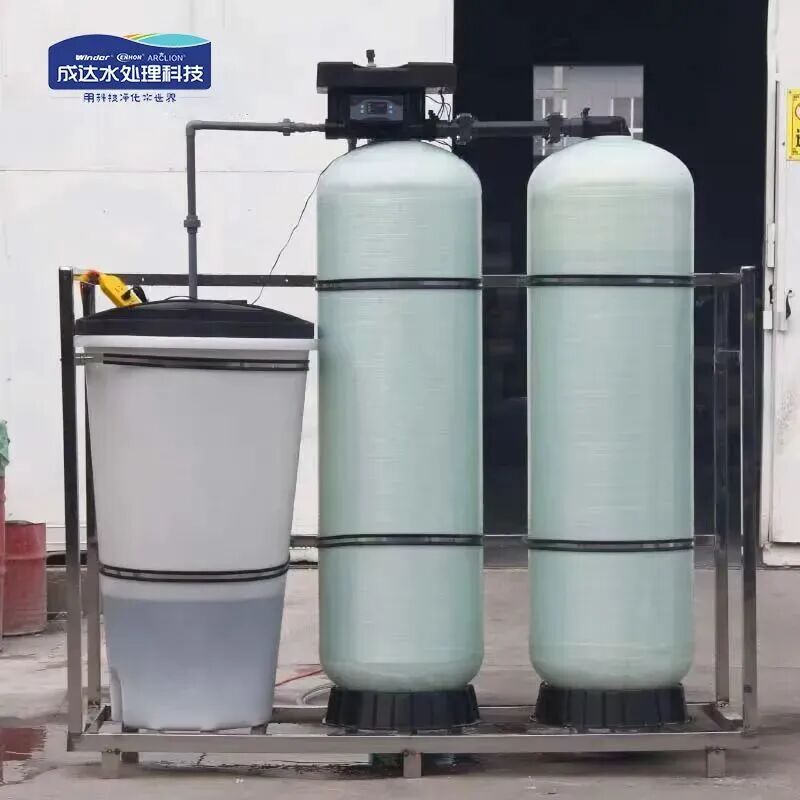
I. Definition of Total Water Hardness
Total water hardness refers to the total concentration of calcium and magnesium ions in water, which is the main cause of scaling in water systems.
Two units of measurement are widely used in the industry:
mmol/L: Indicates the equivalent concentration of hardness ions.
mg/L (as CaCO₃): The standard converted unit across the industry.
II. Theoretical Calculation of Total Hardness
If no measured data is available,
the theoretical total hardness H' (unit: mmol/L) can be calculated based on the concentrations of calcium and magnesium ions.
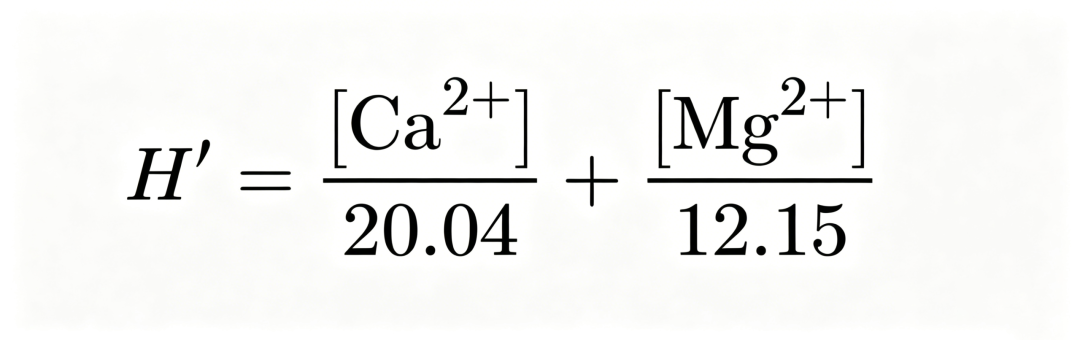
Calcium ion (Ca²⁺) and Magnesium ion (Mg²⁺): mass concentrations of calcium and magnesium ions, unit: mg/L.
20.04 and 12.15: molar masses of the respective ion basic units, unit: mg/mmol.
III. Data Error Verification
Compare the theoretical value H' with the measured value H, and calculate the error δ (unit: %).
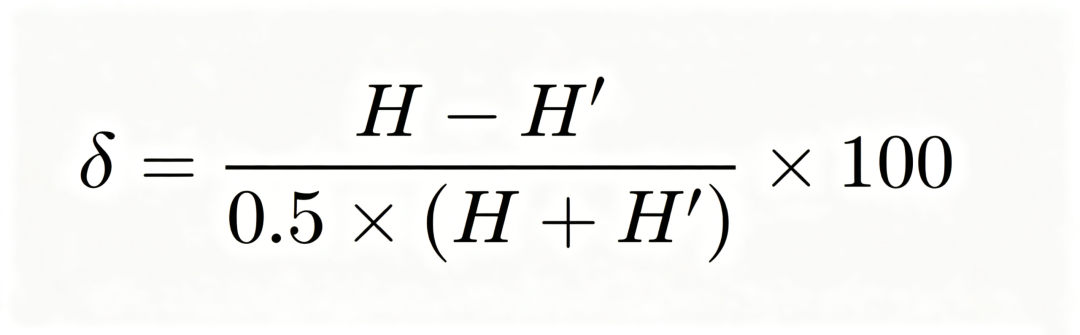
Allowable Error:
If the error is within the allowable range, the data is reliable and applicable to equipment design and selection.
If the error exceeds the limit, inspect the testing procedure, instruments and water sample data.
Otherwise, it will lead to substandard effluent, frequent regeneration and higher operating costs.
IV. Rules for Inlet Water Sampling
To ensure authentic and valid data, follow three sampling requirements:
Locate the sampling point at the front end of the water softener inlet, away from chemical dosing points.
Run water for several minutes before sampling to drain stagnant water and impurities in pipelines.
Use clean inert containers such as polyethylene vessels to hold water samples.
Summary
Inlet water hardness verification is the first safeguard for stable operation of water softening systems.
Deviations in initial data will cause a series of problems including resin degradation,
chemical waste and unqualified water quality.
During the design and commissioning of water softening equipment,
accurately calculate and verify inlet water hardness to guarantee long-term and cost-effective operation.