Many people mistakenly believe that declining reverse osmosis (RO) membrane performance, reduced salt rejection and permeate flow decay are caused by defective membrane elements. In fact, the vast majority of such issues are artificial damage resulting from non-standard operation and inadequate routine maintenance. Today we’ve sorted out the five most common fault causes, along with accurate troubleshooting and prevention solutions, to help extend membrane service life and stabilize equipment operation.
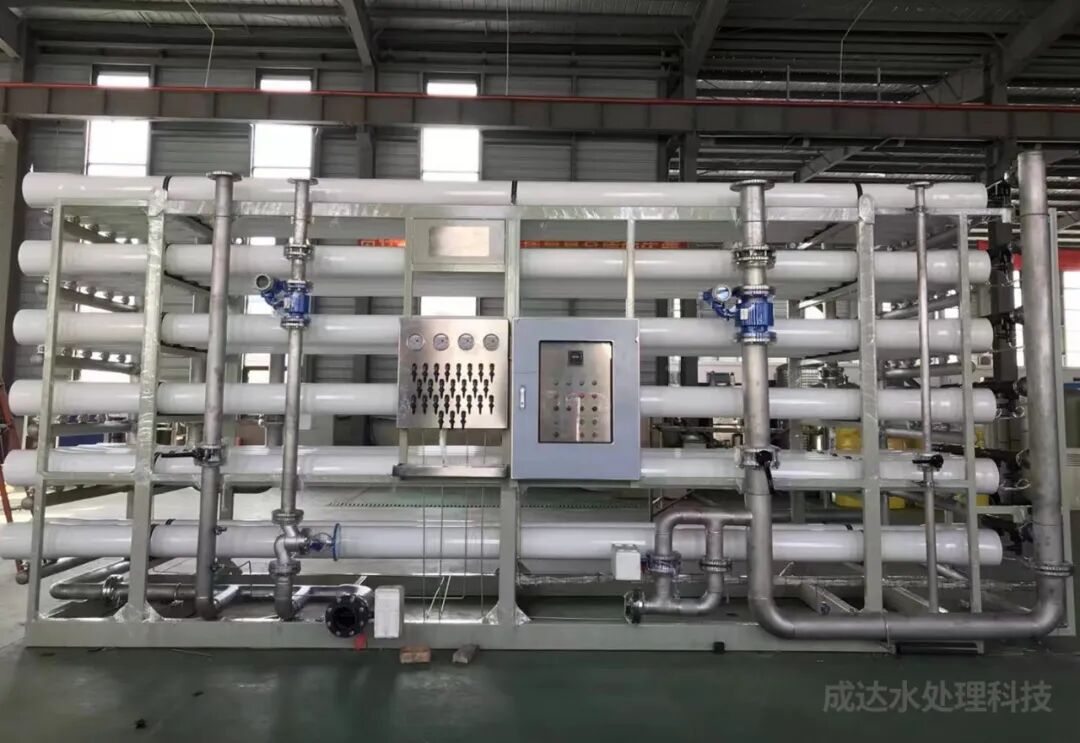
I. Air Hammer Damage to Membrane Elements from Trapped Air in Equipment
Residual air trapped inside the system creates air hammer shocks under high-pressure operation, which directly rupture membrane fibers. This is a leading cause of premature membrane damage.
Two typical scenarios lead to this issue:
Rapid pressure build-up without complete air purging after the system has been drained and restarted;
Air suction during operation due to poor sealing at the joint between pretreatment units and the high-pressure pump.
Simple daily inspection method: Bubbles visible inside the flow meter indicate abnormal air entrainment.
Prevention & Remedial Measures:
Maintain low pressure of 2–4 bar at startup to fully vent trapped air, then raise pressure gradually after all air is expelled.
If bubbles are spotted during operation, reduce pressure immediately and check for air leaks. Never run the system under high pressure with entrapped air.
II. Scaling and Contamination Caused by Improper Shutdown Procedures
Abrupt pressure reduction and failure to flush membranes before shutdown lead to continuous concentration and precipitation of inorganic salts on the concentrate side of membranes, resulting in scaling. If membranes are flushed with pretreated water containing chemical agents during shutdown, secondary fouling will form on the membrane surface. Long-term accumulation will steadily reduce salt rejection performance.
Standard Shutdown Steps:
Stop chemical dosing in advance;
Reduce pressure slowly to approximately 3 bar;
Flush continuously with qualified pretreated water for 10 minutes until the TDS of concentrate is basically consistent with raw water;
Complete the shutdown process afterwards.
III. Inadequate Maintenance & Disinfection Leading to Microbial Fouling
Composite polyamide reverse osmosis membranes have poor resistance to microorganisms. Insufficient disinfection and maintenance will easily breed bacteria and microbes, forming slime fouling on the membrane surface and resulting in excessive microorganisms in permeate water.
Common Problems
No disinfection conducted before factory delivery
Incomplete sterilization of pipelines after installation
Lack of maintenance for intermittently operated equipment
Insufficient or expired preservation solution concentration
Prevention Solutions:
Thorough disinfection is mandatory for newly installed systems and equipment restarted after idle periods. Replace the prepared preservation solution on a regular basis, strictly control chemical concentration, and avoid microbial growth during unprotected downtime.
IV. Incomplete Residual Chlorine Removal Causes Oxidative Damage to Membrane Skin
Polyamide membranes are vulnerable to residual chlorine. If residual chlorine passes through pretreatment and enters the membrane assembly, it will cause irreversible oxidative damage to the membrane structure.
This failure is usually triggered by malfunctions of sodium bisulfite dosing pumps, expired chemical solutions, or saturated activated carbon filters, all of which prevent effective removal of residual chlorine.
Troubleshooting & Prevention:
Routinely test residual chlorine in feed water;
Periodically inspect the operation of dosing pumps and check chemical expiry dates;
Replace saturated activated carbon in a timely manner to block residual chlorine from entering the membrane system.
V. Delayed or Improper Cleaning Results in Continuous Accumulation of Fouling
Scale, organic matter, colloids and microorganisms will keep accumulating on membrane surfaces. Delayed cleaning or incorrect cleaning methods will trigger rapid performance deterioration.
Fouling types can be distinguished by distinct symptoms:
In the early stage of calcium carbonate scaling, salt rejection drops sharply while differential pressure rises slowly with no obvious change in permeate flow. Timely cleaning with citric acid can restore membrane performance. If left untreated for a long time, salt flux surges and permeate output declines drastically.
Rapid Fouling Identification:
Colloidal fouling: Sharp rise in microfilter differential pressure, SDI value over 2.5
Microbial fouling: Excessive total bacterial count in water samples
Calcium scale: Judged by concentrate LSI index (LSI < 1 with scale inhibitor dosing; LSI < 0 without scale inhibitor)
Cleaning Principles:
Adopt targeted cleaning corresponding to specific fouling. If the fouling type cannot be identified, follow the sequence: alkaline cleaning → disinfection → acid cleaning.
Key Points for Membrane Element Storage and Idle Maintenance
New membranes soaked in preservative liquid containing 1% sodium bisulfite and 18% glycerol can be stored for 1 year with intact sealing. Once unsealed, they must be put into use immediately to avoid oxidative failure of the preservative solution.
After system commissioning, 1% sodium bisulfite solution is adopted for short-term idle preservation; 2% formaldehyde solution is recommended for long-term idle storage. Vent all trapped air and close all valves tightly during preservation.
The service life of reverse osmosis membranes does not mainly depend on the membrane itself, but on standardized startup and shutdown procedures, precise chemical dosing control and timely cleaning & maintenance. Strict implementation of these details can greatly cut operation and maintenance costs.