Quartz sand filters are standard core pretreatment equipment for membrane-based water treatment systems. Featuring high efficiency, low energy consumption, stable operation and easy maintenance, they are widely used in industrial water purification, wastewater reuse and other water treatment applications.
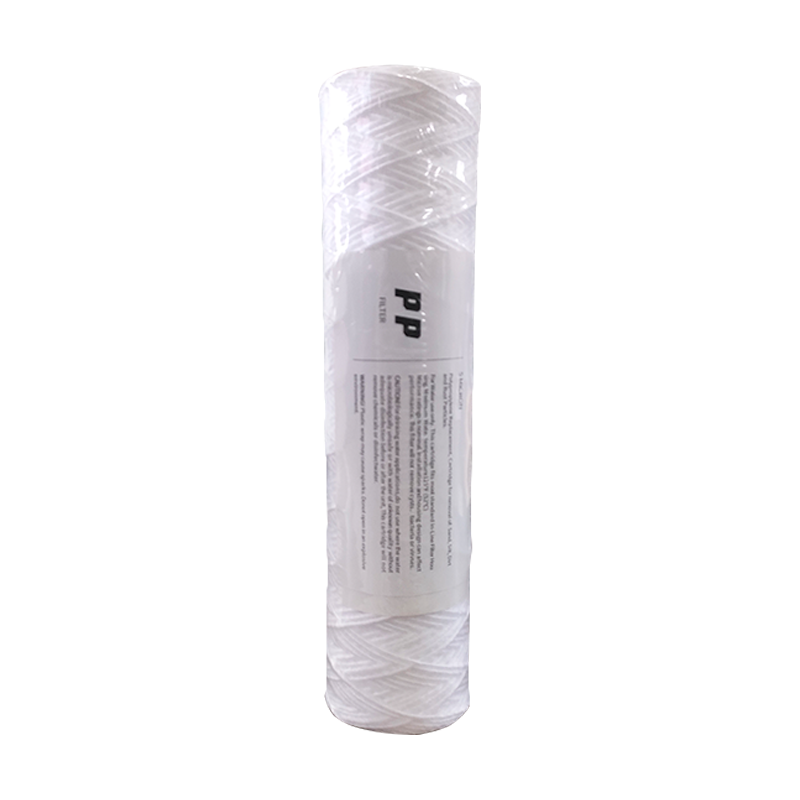
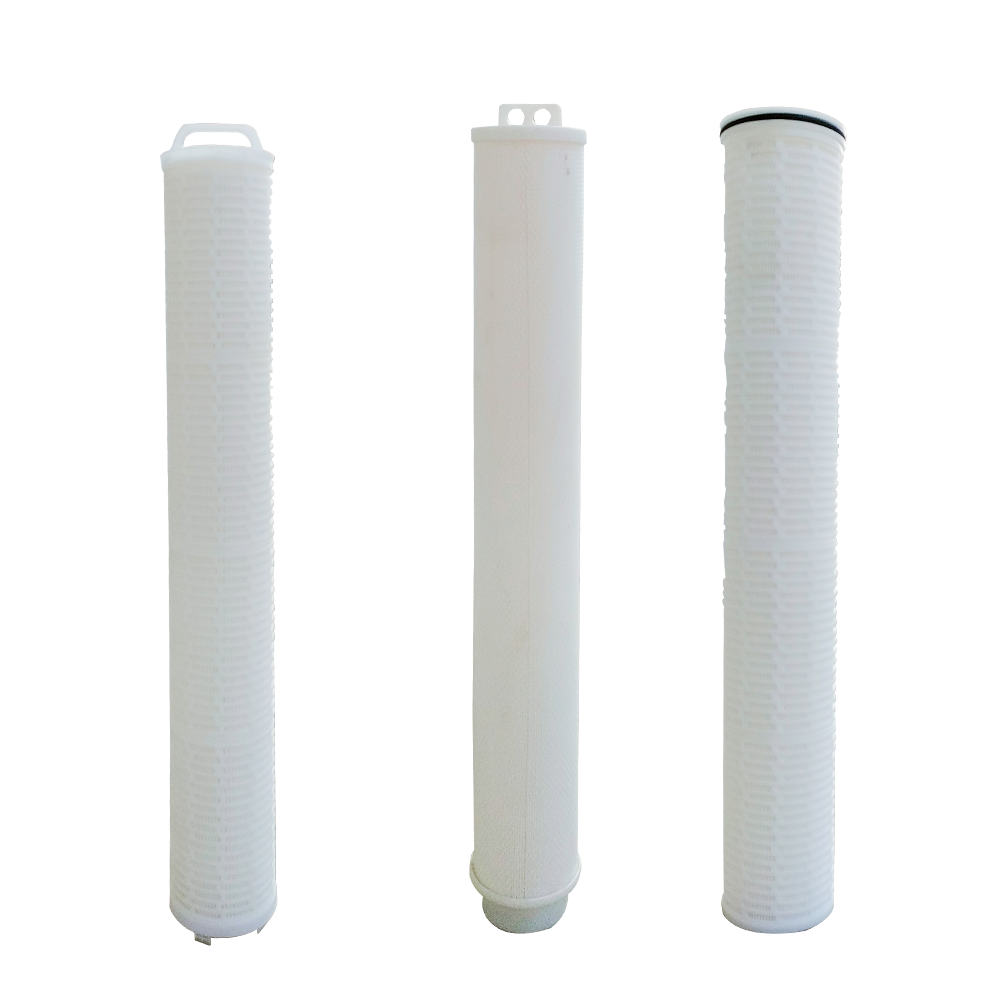
As a frontline protective barrier of the complete system, the filter can effectively intercept impurities such as sediment, rust, algae and colloids in raw water and reduce water turbidity. It protects core components including cartridge filters and reverse osmosis membranes at the source, drastically cutting equipment failure rates and long-term operation & maintenance costs.
I. Core Working Principle
This equipment adopts the industry-standard graded layered quartz sand media structure. Raw water flows downward through the filter bed, realizing solid-liquid separation via three mechanisms: physical interception, adsorption and sedimentation.
The filter bed is filled with sand of different particle sizes by layers:
The upper layer of coarse sand (1~2 mm) traps large particulate contaminants including sediment and flocs. It boasts high dirt-holding capacity to slow down filter bed clogging.
The lower layer of fine sand (0.5~1 mm) performs depth filtration to remove tiny colloidal particles in water.
The combination of dual filter media balances filtration accuracy and dirt-holding capacity, making it suitable for most industrial water treatment working conditions.
II. Core O&M Parameters and Operating Specifications
The stable operation of quartz sand filters entirely relies on standardized operation and maintenance management. Proper execution of the following three core operations can effectively ensure energy-efficient performance and prevent equipment failures:
Filter Bed Backwashing
Initiate backwashing promptly after 8–12 hours of continuous operation, or when the pressure differential between inlet and outlet exceeds 0.05 MPa, to restore filter bed permeability and filtration performance.
During normal filtration, raw water flows top-down; backwashing adopts bottom-up water scouring. The standard backwash rate is 10–15 m³/(㎡·h) with a duration of 5–10 minutes. Adjustments can be made according to media particle size and bed expansion rate to guarantee thorough impurity flushing while preventing media loss.
Periodic Filter Media Replacement
Under normal working conditions, the service life of filter media is 2–3 years. Immediate replacement is required if severe caking, pulverization or abrasion occurs, or when the breakage and abrasion rate exceeds 10%.
Media shall be laid in separate layers during filling. Mixing coarse and fine sand is strictly prohibited, as it will degrade filtration precision and dirt-holding capacity and impair pretreatment efficiency.
Optimization for High-Turbidity Raw Water
For surface water with sustained turbidity above 10 NTU, a PAC coagulant dosing unit is recommended upstream with a dosage of 10–30 mg/L. The chemical aggregates fine suspended solids and colloids into large flocs. This adapts the system to challenging water sources, prevents rapid filter bed clogging, and greatly improves overall system efficiency and effluent stability.
III. Summary of Operation & Maintenance
As the core pretreatment equipment for membrane water treatment systems, quartz sand filters feature wide application adaptability, low maintenance difficulty and reliable operating stability.
Strictly implementing the three key maintenance standards including backwashing, filter media replacement and pretreatment optimization for high-turbidity raw water can effectively prevent issues such as filter bed clogging and excessive effluent turbidity. This maintains stable working conditions of the entire water treatment system, greatly extends the service life of key components like reverse osmosis membranes, and cuts down overall operation and maintenance costs.