Water purification is an essential process in daily life and industrial production.
Different water sources contain varying impurities and pollutants,
requiring tailored water treatment processes.
Today, we explain nine mainstream water treatment methods in detail,
from basic filtration to advanced purification,
helping you understand the core principles of water purification.
01 Sediment Filtration
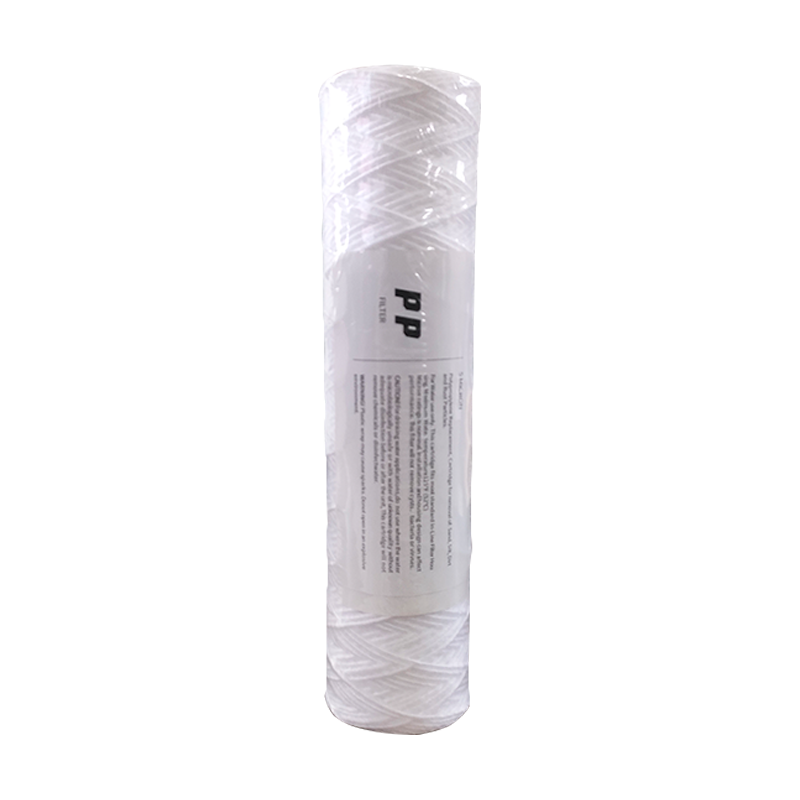
This is the oldest and most basic preliminary water‑purification process.
Its core function is to intercept large‑sized impurities such as suspended particles and colloids in water,
preventing them from clogging or damaging precision filter membranes and pipelines.
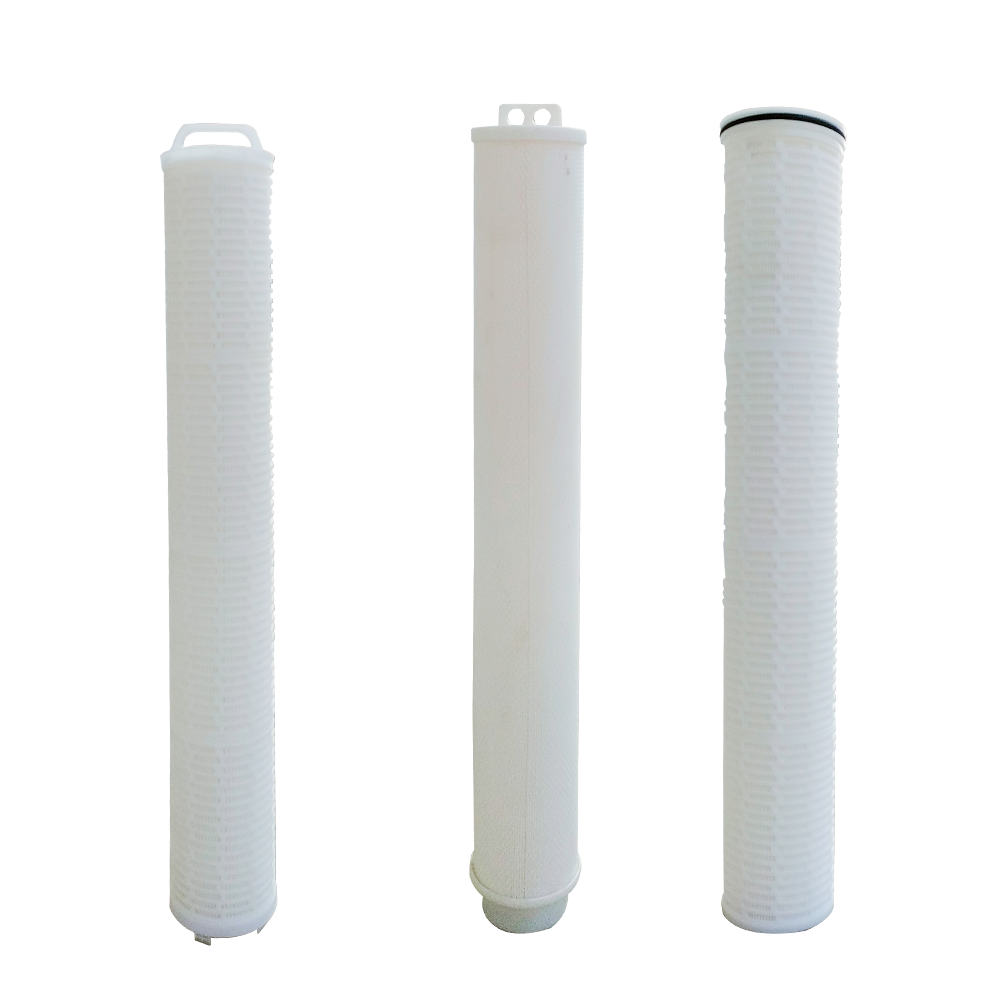
Mesh filters, quartz sand filters and membrane filters are commonly used equipment.
It can only trap impurities larger than the filter pores and cannot remove dissolved ions in water,
so it is mostly used as a pre‑treatment step in water treatment.
02 Hard Water Softening
It is specially used for hard water improvement.
Based on the principle of ion exchange,
sodium ions in cation‑exchange resins replace calcium and magnesium ions in water to reduce water hardness.
It effectively solves problems such as scale formation and hard water quality,
and is widely applied in domestic water and industrial circulating water treatment.
03 Activated Carbon Adsorption
Activated carbon is produced by high‑temperature carbonization and activation of raw materials such as coconut shells,
coal and wood chips. It features porous structure and extremely large specific surface area,
with 1 gram of activated carbon having an effective adsorption area of 700‑1400 square meters.
It is mainly used to adsorb residual chlorine,
chloramine and small‑molecule soluble organic matter in water,
and remove discoloration and odor.
It serves as a key process to improve water taste and purify organic pollutants in water treatment.
04 Deionization
It relies on cation and anion exchange resins to achieve deep desalination of water.
Cation resins replace cations in water with hydrogen ions,
while anion resins replace anions with hydroxide ions.
The two combine to form pure water, completely removing dissolved inorganic ions from water.
It is widely used in the preparation of high‑standard pure water.
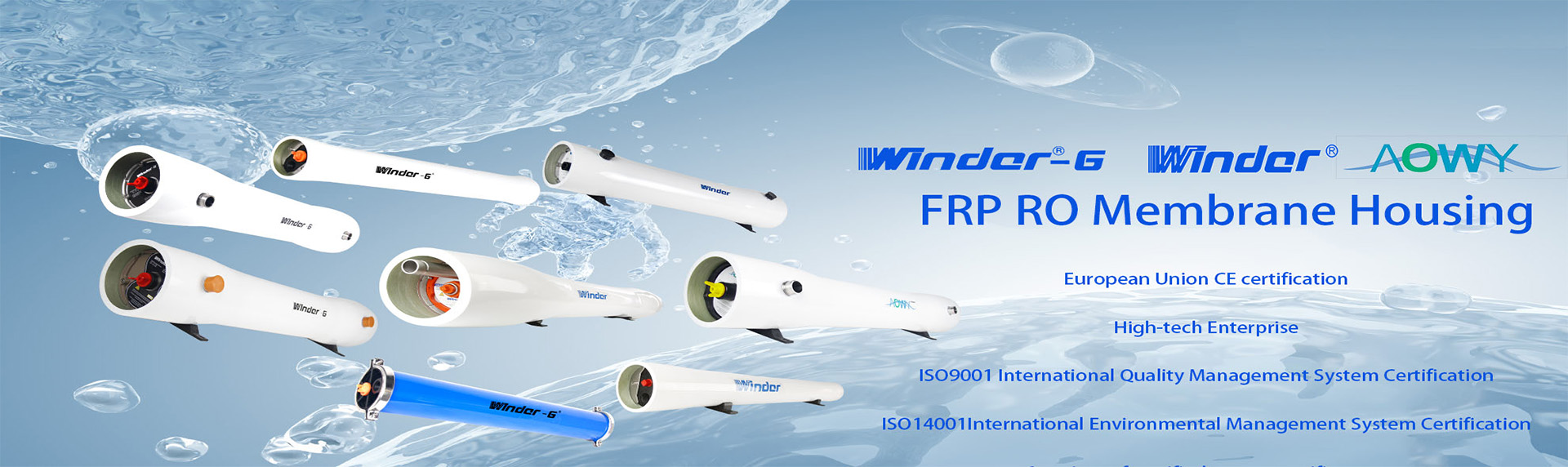
05 Reverse Osmosis
It is a widely used advanced water purification technology.
By applying external pressure greater than osmotic pressure,
water molecules pass through the semi‑permeable membrane in reverse direction.
It can efficiently intercept almost all impurities in water including inorganic substances,
organic matter, bacteria and pyrogens with high purification precision,
and serves as the core process for preparing dialysis water and direct drinking water.
06 Ultrafiltration
It also uses semi‑permeable membrane filtration, but with larger pore sizes.
It can only intercept bacteria, viruses and colloidal particles,
and cannot filter water‑soluble ions.
It is often used as pre‑treatment before reverse osmosis to prevent RO membrane from bacterial contamination,
and also for post‑water‑quality protection.
The filter element condition can be judged by pressure difference, and it can be reused by backwashing.
07 Distillation
A traditional water purification process that removes non‑volatile impurities through water‑vapor separation,
delivering stable purification results. However,
it cannot eliminate volatile contaminants. In addition,
water storage equipment and pipelines are prone to secondary pollution,
resulting in obvious drawbacks. Thus,
it is rarely used in high‑standard water purification applications nowadays.
08 Ultraviolet Disinfection
An eco‑friendly and pollution‑free disinfection technology.
It uses ultraviolet light at a wavelength of 253.7 nm to damage the nucleic acid structure of bacteria and viruses,
rendering them unable to reproduce. Featuring no secondary pollution,
low cost and high water flow rate,
it has become a mainstream terminal water disinfection method with multiple advantages.
09 Biochemical Treatment
Mainly applied in sewage treatment,
it uses microbial metabolism to decompose organic pollutants in wastewater into harmless substances.
It includes various processes such as activated sludge process and biofilm process.
The standard procedure is raw water → grille → regulating tank → oxidation tank → sedimentation & filtration → disinfected effluent.
It is the core technology for purifying industrial sewage and domestic wastewater.
Different water treatment processes have their respective advantages and disadvantages and perform their own functions.
Combined use can achieve full‑process water quality optimization from preliminary filtration to deep purification and disinfection,
meeting the demands of various water‑use scenarios.