Reverse Osmosis (RO) technology is a core water purification process in the water treatment industry. It is widely used in scenarios including domestic drinking water, commercial water purification, industrial pure water production and laboratory ultrapure water preparation. To resolve common professional questions in the industry, this article systematically sorts out the working principle, technological process, equipment composition and key water quality indicators of reverse osmosis technology, offering references for industrial study and practical operation.
I. Basic Principle of Reverse Osmosis (RO) Technology
Reverse osmosis is a water purification technology that separates contaminants relying on high-precision semipermeable membranes. Its core operating principle is to apply external pressure to reverse the natural osmosis law of water. Only water molecules can pass through the membrane, while all kinds of impurities in water are trapped and separated to purify water quality.
Under natural osmosis, water molecules flow from water with low solute concentration to high solute concentration. RO technology reverses this process by artificial pressurization. Only pure water molecules penetrate the semipermeable membrane, whereas pollutants including dissolved salts, heavy metals, bacteria, viruses and organic matter are blocked by membrane pores and discharged separately as concentrated water.
Boasting outstanding purification accuracy, this technology can remove over 99% of dissolved salts and various harmful contaminants in water. Its product water features high purity and stable quality, meeting high-standard water demands for multiple application scenarios.
II. Complete Process Flow of Reverse Osmosis System
A complete reverse osmosis water purification system consists of three core segments: pretreatment, reverse osmosis filtration and post-treatment. The procedures proceed step by step with close connection, which directly determines the final product water quality and affects the overall service life of RO membranes.
1. Pretreatment Stage
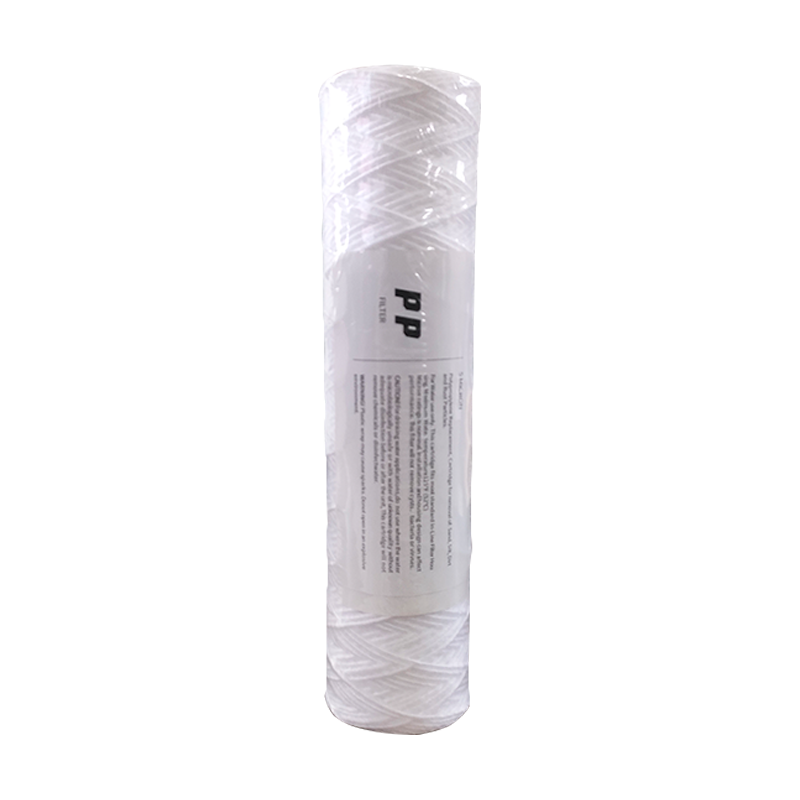
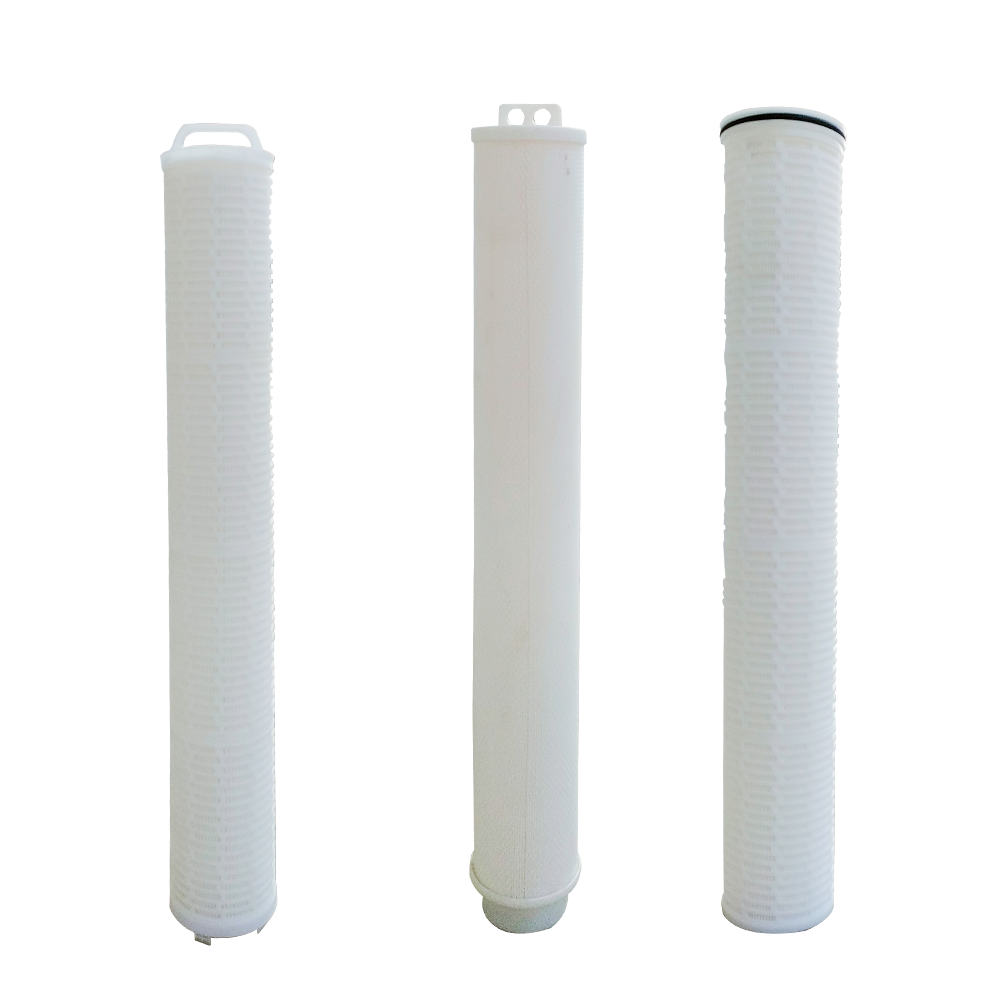
Pretreatment is the fundamental and critical procedure to protect reverse osmosis membranes. Equipments such as mechanical filters, activated carbon adsorbers and cartridge filters are adopted to thoroughly remove impurities including sediment, suspended solids, colloids, organic matter and residual chlorine from raw water, so as to supply qualified feed water for the subsequent membrane system.
Substandard influent from poor pretreatment will lead to continuous adhesion and clogging of RO membranes by contaminants, resulting in reduced membrane flux and salt rejection rate. In severe cases, membrane elements may be scrapped directly, greatly increasing equipment operation and maintenance costs.
2. Core Reverse Osmosis Filtration Stage
Water qualified after pretreatment is delivered to RO membrane modules by high-pressure equipment. The system applies polyamide composite membranes. Under rated operating pressure, only pure water molecules can pass through the membrane. Soluble salts, heavy metal ions, bacteria, viruses, microorganisms and other pollutants in water are fully intercepted. Water is finally split into pure water and concentrated water, finishing the core water purification process.
3. Post-treatment Stage
Pure water produced by RO boasts high purity. Its quality can be optimized via processes like UV disinfection, water mineralization, water softening and pH adjustment according to standard requirements of different application scenarios.
Water optimized through standardized post-treatment fully complies with water specifications for domestic drinking water, industrial production, laboratory testing and other applications.
III. Core Components and Functions of Reverse Osmosis Equipment
Stable operation of reverse osmosis equipment relies on the coordination of four major core components. Each part has clear responsibilities and supports one another, which is the key to long-term stable water purification performance.
1. High-pressure Pump
The high-pressure pump serves as the core power unit of the RO system, mostly stainless steel multi-stage centrifugal pumps. It supplies stable rated operating pressure to the RO membranes to overcome natural osmotic pressure of water, ensuring continuous and steady penetration of water molecules through membranes to meet the demand for long-term continuous operation.
2. RO Membrane Module
The RO membrane module is the core purification unit of the whole water treatment system. Hydranautics polyamide composite membranes are widely used in the industry, with a salt rejection rate up to 99.7%. They efficiently trap all kinds of water-soluble contaminants and directly determine final product water quality.
The standard operating pressure of this membrane module ranges from 1.4 to 1.7 MPa. Under standard working conditions, its service life is about 3 years, featuring excellent purification precision and stable operation.
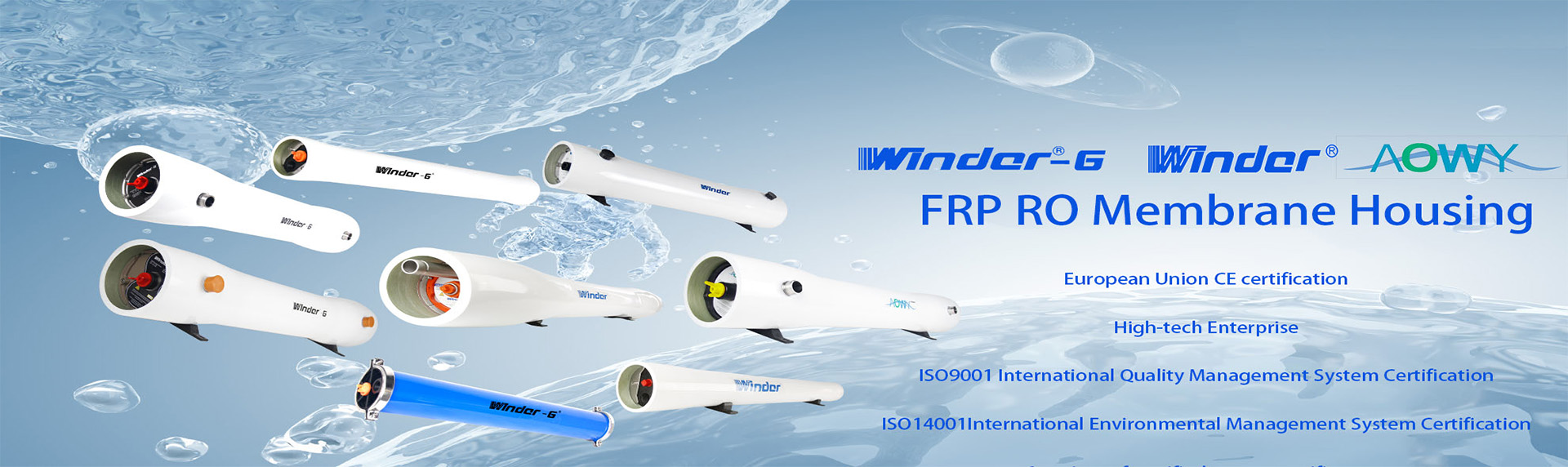
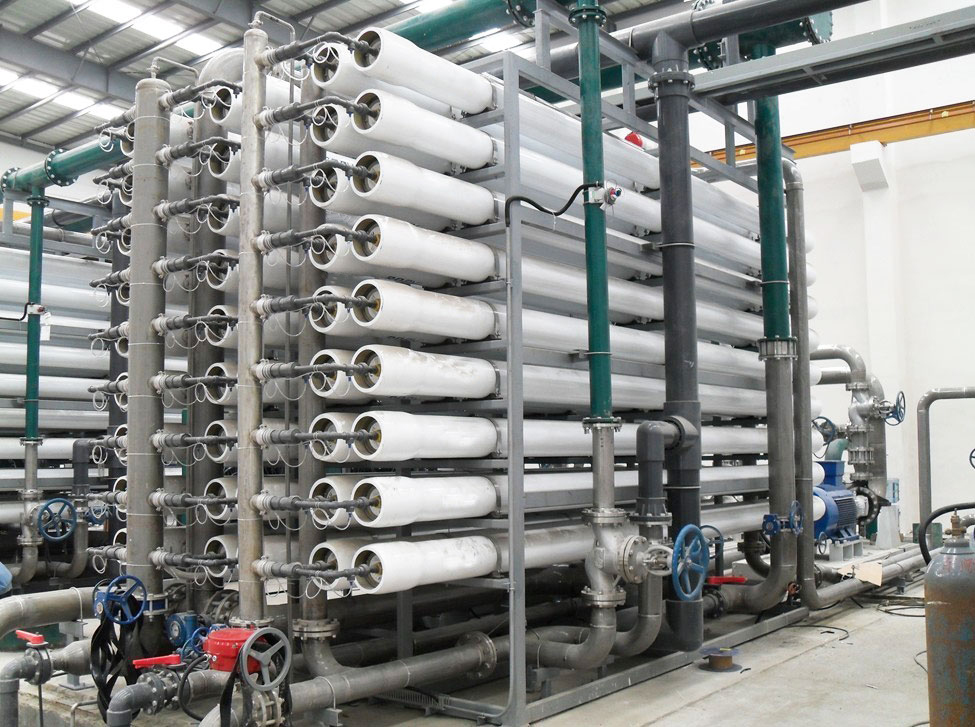
3. Pressure Vessel
Fabricated from stainless steel, pressure vessels are used to fix and seal membrane modules, stabilize internal system operating pressure, prevent fluctuations from impairing purification efficiency, and guarantee safe and smooth overall equipment operation.
4. Automatic Flushing Device
The automatic flushing device enables low-pressure automatic flushing before startup. It regularly cleans contaminants accumulated on membrane surfaces, effectively alleviating concentration polarization and membrane fouling, slowing membrane element aging, extending equipment service life and cutting long-term operation and maintenance costs.
IV. Core Functions and Operation & Maintenance Standards of Cartridge Filter
The cartridge filter is installed at the end of the pretreatment system. It acts as the final precise protective barrier for reverse osmosis membranes and plays a critical fail-safe role in the entire water treatment system.
If upstream filtering equipment malfunctions or fails to filter thoroughly, the cartridge filter can secondarily intercept residual fine particles and impurities in the water. It prevents hard contaminants from entering membrane modules and avoids faults such as membrane surface scratching and clogging.
Clear O&M standards specify that when the pressure difference between the inlet and outlet of the cartridge filter exceeds 0.1 MPa, the filter cartridge is heavily blocked and must be replaced promptly to ensure stable feed water for the system. The filter cartridge replacement procedure is simple and easy to operate, allowing the equipment to quickly return to normal operating conditions.
V. Core Water Quality Indicators and Testing Instructions
Water quality indicators serve as the fundamental basis for judging water quality grade and monitoring the operating status of water treatment equipment. The commonly adopted core testing indicators in the industry fall into three categories as follows:
1. pH Value (Acidity and Alkalinity)
The pH value reflects the acidity or alkalinity of water, which can be rapidly tested with pH test strips or professional pH meters. The standard pH range for domestic drinking water is 6.5–8.5, while pH for industrial process water can be adjusted flexibly according to specific technological requirements.
2. Conductivity
Conductivity is measured in μS/cm, used primarily to gauge the concentration of ions in water. A higher conductivity reading means higher content of dissolved salts and ionic impurities, corresponding to lower water purity. Ultra-high-purity water normally has an extremely low conductivity value.
3. TDS (Total Dissolved Solids)
TDS stands for Total Dissolved Solids, representing the total mass of soluble solids contained in water. It can be indirectly calculated from conductivity readings in practical industry applications. High-purity water features an ultra-low TDS level, whereas tap water and mineral water carry relatively higher TDS due to naturally occurring mineral substances.
VI. Conclusion
With advantages of high salt rejection rate, stable operation and wide applicability, reverse osmosis technology has become the mainstream water purification process in the water treatment sector.
Long-term stable operation of the whole system relies on standardized pretreatment procedures, intact core components and regular inspection and maintenance. Negligence in any link will directly impair product water quality and shorten the service life of membrane elements.
A solid grasp of RO working principles, equipment structure and key water quality standards enables precise monitoring of equipment operating conditions and efficient troubleshooting of common water quality issues and equipment faults, delivering professional and reliable water treatment solutions to meet water demands across diverse scenarios.