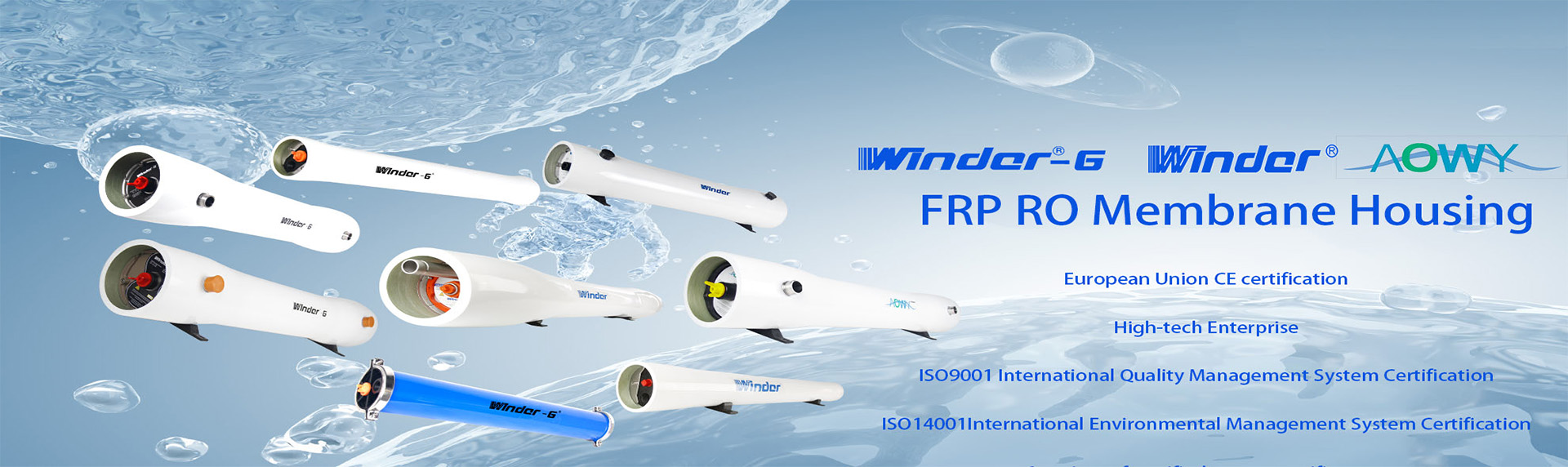
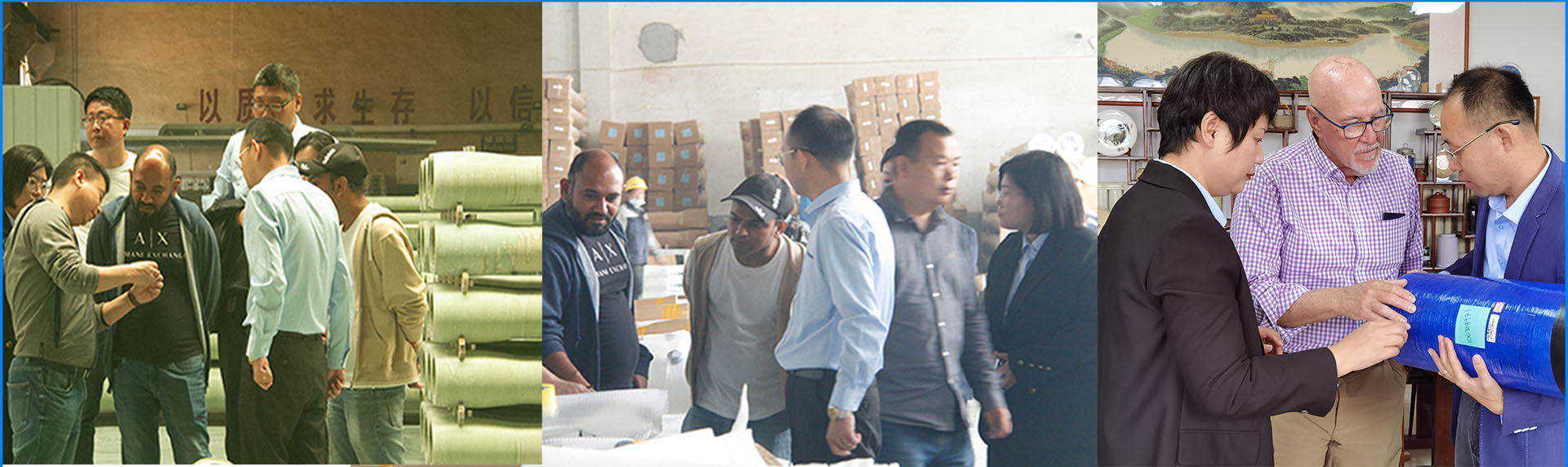
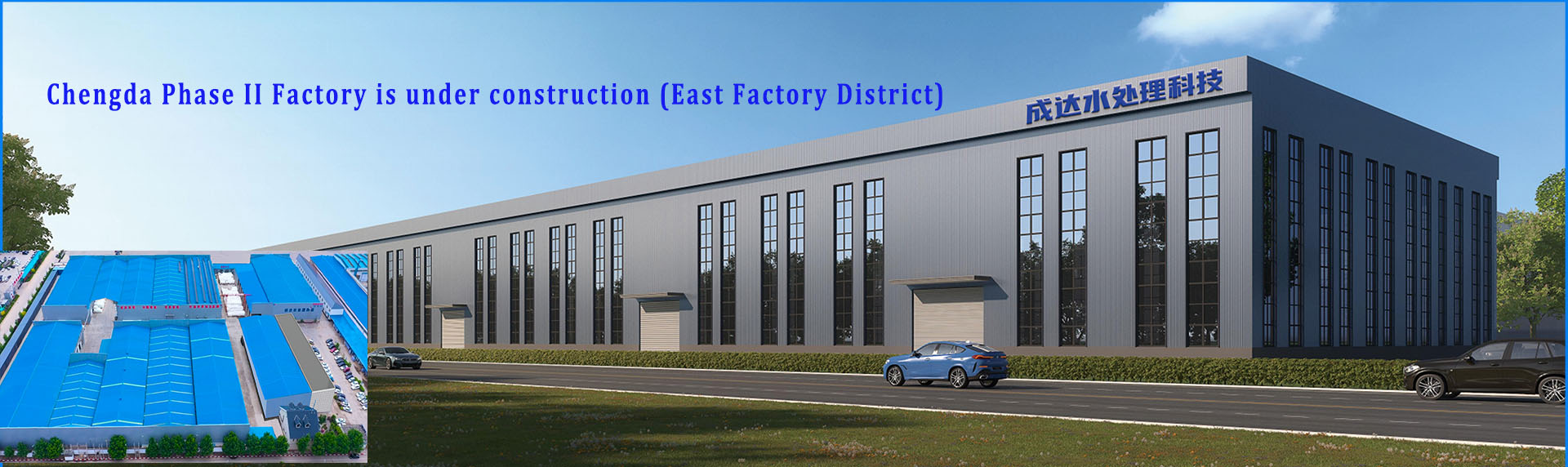
In the water treatment and environmental engineering sectors, FRP tanks serve as core equipment in water treatment systems by virtue of their key advantages of corrosion resistance, light weight and high strength.
The water treatment capacity of an FRP tank mainly depends on the type of fillers and filter media loaded inside. By replacing different filter media and fillers, the equipment can deliver differentiated water treatment results. It can handle basic sediment filtration as well as specialized processes including water softening, iron and manganese removal, and advanced water purification, suiting various water treatment working conditions.
Below is a detailed overview of matching schemes and applicable scenarios for mainstream filter media and fillers to support accurate model selection and meet project requirements.
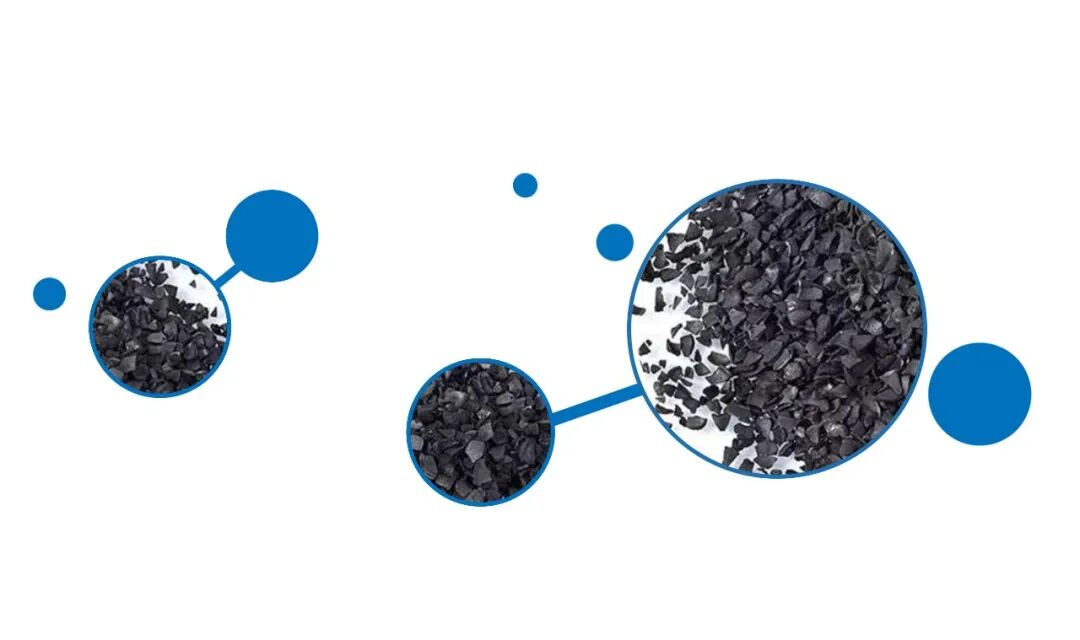
Activated Carbon Filter Media: An Ideal Medium for Advanced Purification for Decolorization, Odor Removal and Chlorine EliminationSpecial activated carbon features developed porous structure and excellent physical adsorption capacity. When filled into FRP tanks, it is mainly applied for advanced water purification.
Core Functions:
It efficiently adsorbs residual chlorine, disinfection by-products, organic pollutants, color and odor contaminants in water, greatly improving the quality and taste of treated water. Meanwhile, it thoroughly removes oxidative residual chlorine in water, preventing oxidative degradation of downstream ion exchange resins and reverse osmosis membranes, and extending the service life of key water treatment consumables.
Applicable Scenarios:
Advanced purification of domestic drinking water, pretreatment of water for food and beverage production, pre-chlorine removal for pure water preparation, pretreatment of organic pollutants in electroplating wastewater, etc.
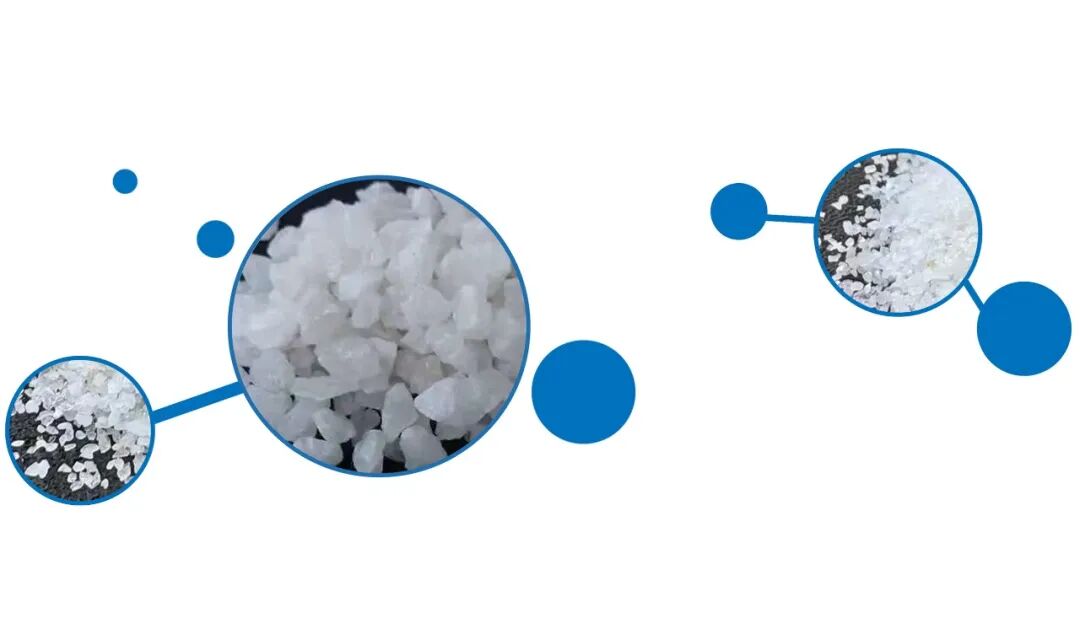
Quartz Sand Filter Media: Primary Filtration Workhorse, Standard Pre-treatment Material for Water Treatment
Quartz sand is the most fundamental and widely adopted filter media in water treatment systems, serving as an essential component for pre-treatment in all water purification processes.
Core Functions:
It effectively intercepts large particulate contaminants in raw water including sediment, suspended solids, rust and colloids, significantly reducing water turbidity and trapping solid impurities. It protects downstream precision filters, reverse osmosis membranes, ion exchange resins and other delicate water treatment components against clogging, abrasion and damage, ensuring stable operation of the entire water treatment system.
Applicable Scenarios:
Pre-treatment of municipal tap water, side-stream filtration for industrial circulating water, circulating water purification for swimming pools, pre-filtration for reclaimed water reuse, and primary pre-treatment for various industrial water purification systems.
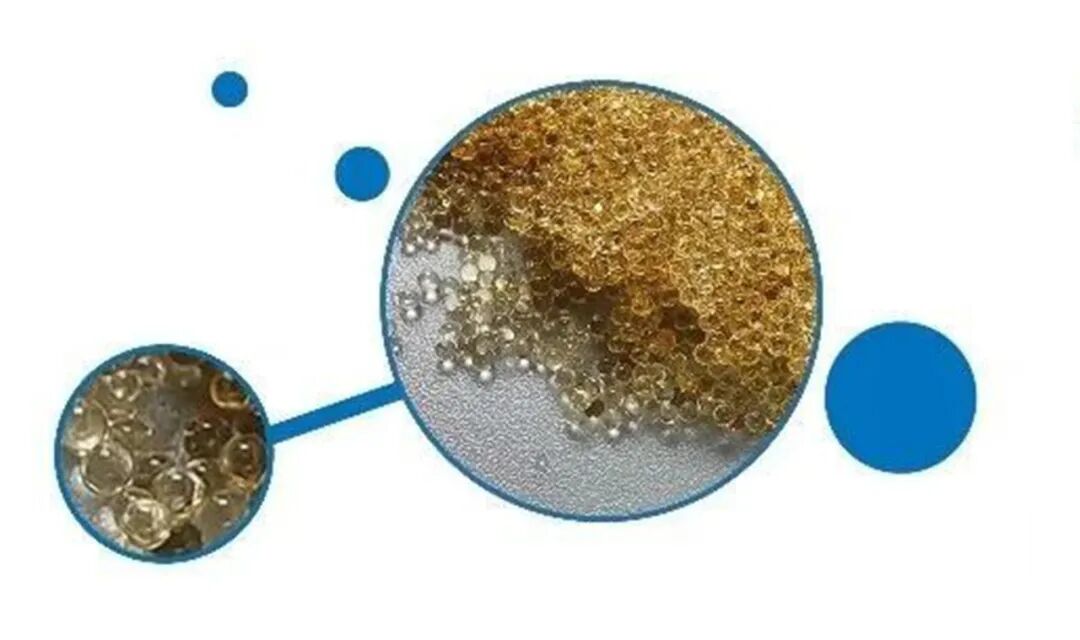
Cation Water Softening Resin: Expert for Hard Water Softening, Specialized in Scale Prevention
Different from conventional filter media, cation softening resin is an ion exchange filler. As a key supporting material for boiler water and industrial pure water production systems, it professionally addresses the hard water scaling issue.
Core Functions:
Based on the sodium ion exchange principle, it removes calcium and magnesium hardness ions from water through ion exchange, effectively lowering the total water hardness. It prevents the formation of hard carbonate and sulfate scale on the inner walls of boilers, heat exchangers, pipelines and circulating equipment, maintains heat transfer efficiency, and reduces equipment wear as well as operation & maintenance costs.
Applicable Scenarios:
Softening of make-up water for industrial boilers, softening of circulating cooling water for central air conditioning, water treatment for laundries and washing plants, and pre-softening treatment for pure water preparation.
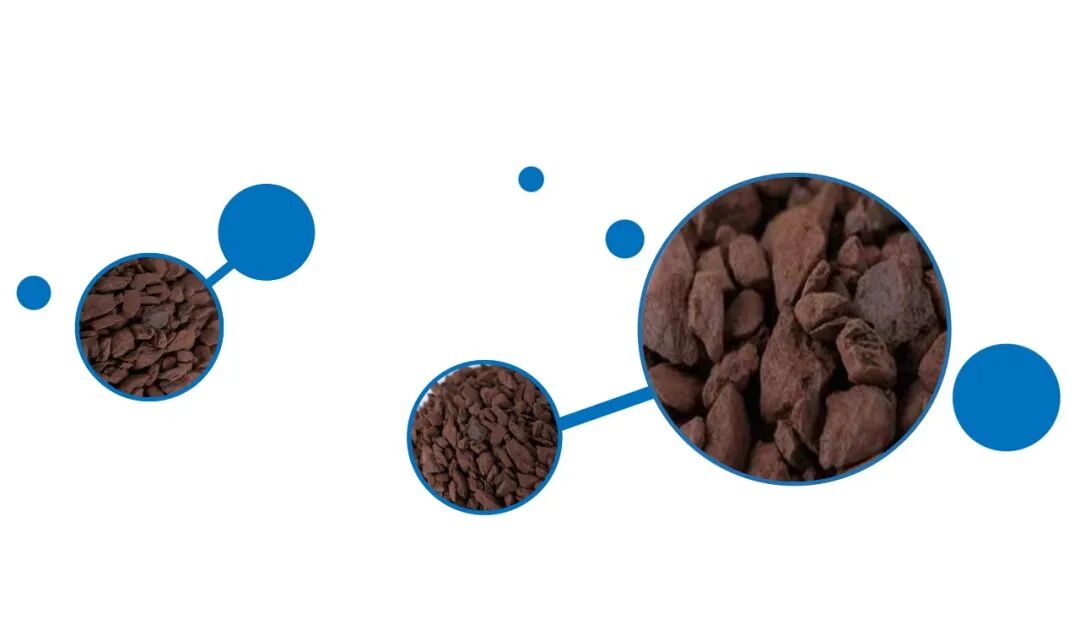
Manganese Sand Filter Media: Specialized for Iron and Manganese Removal to Solve Exceeded Standard Issues of Groundwater
Manganese sand is a dedicated functional filter media designed to treat excessive iron and manganese ions in groundwater. It serves as the preferred solution for well water and mine water treatment to tackle the problem of over-limit iron and manganese in water.
Core Functions:
The manganese dioxide catalytic film attached to the surface of manganese sand delivers strong catalytic oxidation performance. It oxidizes soluble ferrous ions and manganous ions in water into water-insoluble solid precipitates, which are then accurately intercepted and filtered by the filter bed to thoroughly remove iron and manganese contaminants and optimize water quality indicators.
Applicable Scenarios:
Purification of rural well water and groundwater, treatment of mine groundwater, and special treatment for excessive iron and manganese in industrial water sourced from various groundwater supplies.
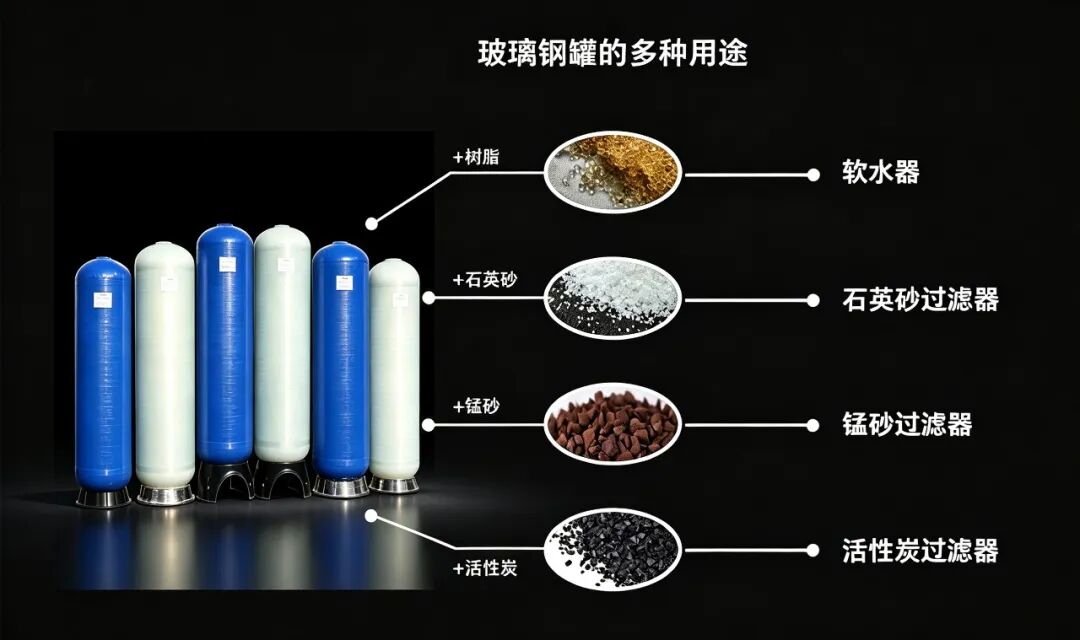
Key Selection Principles for Matching FRP Tanks and Filter Media
Filter media determines the water treatment function, while tank specifications shall adapt to on-site working conditions. Precise matching of both can maximize equipment efficiency.
Two core principles shall be followed during selection:
First, clarify the water treatment objectives. Select appropriate filter media according to actual water quality problems. Quartz sand for turbidity and pollutant interception; activated carbon for decolorization, odor removal and chlorine elimination; softening resin for hardness reduction and scale prevention; manganese sand for treatment of excessive iron and manganese.
Second, match equipment operating parameters. Determine the diameter, height and pressure rating of FRP tanks based on on-site inlet flow rate, operating pressure and backwashing requirements. Meanwhile, match tank height, water distributors and central pipe specifications according to the backwash expansion rate of different filter media, so as to guarantee stable filtration and backwashing performance and long-term efficient operation of the equipment.